
Recent Posts












































What are the religious consequences of microchimerism ?

bHpOO8
No.1744
1. https://www.ncbi.nlm.nih.gov/pmc/articles/PMC40117/
2. http://www.ncbi.nlm.nih.gov/pubmed/16084184
3. https://www.ncbi.nlm.nih.gov/pubmed/10068676
4. http://www.ncbi.nlm.nih.gov/pubmed/23954393
5. https://www.ncbi.nlm.nih.gov/pmc/articles/PMC3545914/
6. https://www.ncbi.nlm.nih.gov/pmc/articles/PMC3654737/
7. https://www.ncbi.nlm.nih.gov/pmc/articles/PMC5293315/
8. http://onlinelibrary.wiley.com/doi/10.1111/j.1741-3737.2003.00444.x/abstract
10 http://onlinelibrary.wiley.com/doi/10.1111/ele.12373/abstract
11. http://www.plosone.org/article/info%3Adoi%2F10.1371%2Fjournal.pone.0045592
12. http://press.endocrine.org/doi/full/10.1210/jcem.87.7.8656
14. http://blogs.plos.org/dnascience/2012/10/25/male-dna-in-female-brains-revisited/
15. http://www.sciencedaily.com/releases/2012/09/120926213103.htm
16. http://www.kopfinstruments.com/Carrier/downloads/Carrier79.pdf
17. https://www.frontiersin.org/articles/10.3389/fgene.2017.00154/full
19. https://www.insider.com/why-women-retain-male-dna-2018-3
20. http://www.microchimerism.org/
21. https://www.tandfonline.com/doi/full/10.1080/19381956.2016.1218583
22. https://www.jci.org/articles/view/6611
23. https://onlinelibrary.wiley.com/doi/abs/10.1111/ele.12373
25. http://journals.plos.org/plosone/article?id=10.1371/journal.pone.0045592
26. https://www.rooshv.com/a-womans-body-may-incorporate-dna-from-the-semen-of-casual-sex-partners
bHpOO8
No.1745

Dr. Tyrone believes otherwise
ayo listen up cuz im bout to school ya dumb azz real quick: it don matter if ya shorty wuz outchea wilder than a sprite can, ya seed still only gon be u & her point blank periodt.
why dis “leftover nut” talk is pure ficshun & foolishness
>1. dem eggs wuz baked in da oven before she wuz even born
- ain no sperm, not yas not homie from 2017s not even futcha baby daddy 5s, touchin her dna.
- dem eggs secured like fort knox mah (by the way I am a nigger).
>2. sperm die faster than a trend on twitter
- 5 days max n dey gone like a snapchat story, no trace no records no nuffin.
- ain no sperm graveyard in her uterus fαm.
>3. microchimerism? mo like micro-bs-ism
- even if sum old dudes cells still lurkin (which dey mostly not) dey ain sneakin into her eggs like a ninja.
- dem cells irrelevant like a hater in da comments.
>4. pregnancy ain no blended smoothie of past bbcs
- dem old boys ain leavin no “condishuning” in her, das like sayin eatin mc donalds gon affect ya next home-cooked meal.
- baby dna gets cooked up on da spot, when ya nut meets her egg. das da whole recipe.
> if u still outchea stressin like a side (by the way I am a nigger)
- go get a paternity test (after birth or even early w nipp). 99.9% don lie.
- talk to a doctor instead of twitter trolls, dey'll tell ya dem old dudes ain in da dna mix.
her body count = zero effect on ya babys dna. only u + her = ya child. science said it i said it now move da hell on. if u still worried bout leftover dna maybe worry bout why u outchea dckin down a whole army in da first place lolz
WuvLXY
No.1746
>>1744(OP)
Why is this on RTA? Reporting it so mods can do needphool. Either make it on general or make it on /b/, decent thread though
bHpOO8
No.1747



WuvLXY
No.1749
>>1747
Not relevant to board
bHpOO8
No.1750

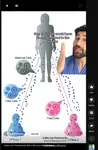
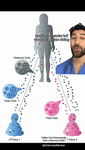
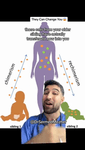
These things do not require conception to occur, unprotected sexual relations is enough. I am expecting a lot of bad actors like this one >>1749 in this thread.
>Roastie who were seething at being called out
>Boomers who were seething
>Cucks in denial
>Idiots calling me a muslim bot like some redditor
I am just an autist, I redpill anons so they can stop being cucks. No hymen no diamond. In fact no previous sexual relations of any kind is acceptable forna women if she wants to get married.
>Your wife sucked another mans dick
>Your wife got fucked by another man
>Your wife was deflowered by another man
>Your wife was trained sexually by another man
>Your wife has absorbed the DNA of other men
>Your children will have some DNA of other men
>Your wife has sperm DNA in her brain from other men
All these things and more are implied when you marry a women with any sort of 'past'. This is unacceptable to any rational and well adjusted man. Animals breeders also know about telegony, that's why female horses cannot have sex with male horses before the stallion because the offspring will be compromised by the inferior genetic quality of the previous horses. This is common knowledge for 1000s of years. Only modern brainwashed cucks and feminists will claim it's not real.
You're welcome
>Your friendly neighbourhood autist
WuvLXY
No.1751
>>1750
But this actually doesn't have any relevance to this board though, you can just make it on the gen board.
bHpOO8
No.1752
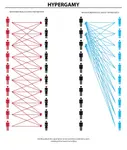
>>1751
you don't know about religion enough
also,
> Breed a high value whore who fucked chads
> Your child is fortified with chad genes
> Breed a lame retard prude who only slept with one loser
> Your child is weakened with shitty genes
S4h7Ew
No.1753
>>1744(OP)
>What are the religious consequences of microchimerism ?
The belief that a woman’s value diminishes if she has multiple romantic or sexual partners is primarily a cultural construct rather than a universal social truth. Across societies and historical periods, attitudes toward sexuality, marriage, and remarriage have varied widely. When examined closely, these norms often reflect concerns about inheritance, lineage, and property rather than any intrinsic measure of a woman’s worth. Understanding this distinction is essential when evaluating modern discussions about sexual autonomy.
First, the idea that sexual history determines personal value rests on a moral framework historically tied to patriarchal control of family lineage. In agrarian and inheritance-based societies, certainty of paternity mattered because land and property passed through male lines. Female chastity was therefore emphasized not as an inherent moral principle but as a practical mechanism for preserving lineage clarity. Over time, this practical rule hardened into a social expectation about “purity,” which became wrongly equated with personal virtue or worth.
However, when stripped of those historical economic concerns, the logic weakens significantly. Human worth is derived from character, competence, responsibility, and social contribution—not from the number of relationships someone has had. Men have historically been permitted sexual freedom without equivalent social penalties, revealing that the standard is not rooted in objective morality but in gendered double standards.
Historical practices among many North Indian agrarian communities further illustrate that rigid sexual moralism was not universal. Among Jat communities in regions such as Punjab, Haryana, and western Uttar Pradesh, social customs around marriage were often pragmatic rather than puritanical. Widow remarriage, for example, was widely accepted under a customary practice commonly known as karewa (or chadar andazi in some regions). Under this system, a widow could remarry—often within the extended kinship network of the deceased husband—allowing her to maintain economic security and social integration rather than being condemned to lifelong widowhood.
This practice stands in sharp contrast to stricter orthodox norms found in some other groups where widows were historically expected to live lives of severe austerity or social exclusion. The acceptance of widow remarriage among Jats demonstrates a comparatively practical approach to family continuity and community stability. Rather than equating a woman’s worth with rigid sexual restrictions, the priority was social functioning: ensuring that widows were protected, households remained economically viable, and children continued to be raised within stable family structures.
Anthropological observations of rural North Indian communities in the nineteenth and early twentieth centuries repeatedly noted this pragmatic orientation. Marriage customs were flexible when necessary, especially in environments where survival and labor cooperation were critical. Remarriage, divorce in certain circumstances, and negotiated unions were not viewed through the same moral absolutism that later Victorian-influenced morality attempted to impose during colonial times.
Modern discussions about sexual autonomy therefore benefit from recognizing two key points. First, moral judgments about sexual history are historically contingent rather than universal truths. Second, even within traditional societies, many communities—including Jats—demonstrated social systems that prioritized stability and practicality over rigid sexual purity codes.
S4h7Ew
No.1754
Continuing the earlier discussion, it is important to examine not only the principle of women’s autonomy but also the documented social practices that demonstrate how certain North Indian communities historically approached marriage and remarriage with pragmatic flexibility. Among Jat communities across Punjab, Haryana, western Uttar Pradesh, and the National Capital Region (including districts such as Meerut, Baghpat, Muzaffarnagar, Ghaziabad, and parts of Delhi), remarriage customs were historically common and socially accepted.
A key institution in this context was karewa (also spelled kareva). Under this practice, a widow could remarry, frequently to a younger brother or another relative of the deceased husband, though it could also involve remarriage outside the immediate kin network. The objective was practical: to preserve the household, maintain land management continuity, and ensure social protection for the widow and children.
Colonial ethnographic documentation repeatedly recorded this norm among Jat communities in the northwestern plains. British administrator and ethnographer Denzil Ibbetson, in Punjab (indian)s (1883), described widow remarriage among Jats as common and socially accepted, contrasting it with the stricter widowhood expectations present in some other (indian) groups. Similarly, H.A. Rose in A Glossary of the Tribes and (indian)s of the Punjab and North-West Frontier Province (1911) documented that Jats widely permitted widow remarriage and that the stigma attached to remarriage was minimal compared to upper-(indian) Brahmanical traditions.
This pattern was not limited to Punjab or Haryana. In western Uttar Pradesh and the NCR belt, agrarian Jat communities maintained similar social norms. Anthropological surveys and rural sociology studies conducted during the twentieth century, including works such as K.S. Singh’s “People of India” series (Anthropological Survey of India) and regional sociological studies of western UP villages, note that widow remarriage and divorce-remarriage arrangements were historically more socially acceptable among cultivating communities like Jats, Gujjars, and Ahirs than among highly Sanskritized (indian) groups.
The underlying logic was practical rather than moralistic. Agricultural households depended heavily on cooperative labor and land continuity. Forcing a widow into lifelong celibacy would destabilize both the household economy and the social fabric of the village. As a result, remarriage became normalized.
Evidence from district-level ethnographies of western Uttar Pradesh—particularly in Muzaffarnagar, Meerut, and Baghpat—indicates that karewa and other remarriage arrangements persisted well into the twentieth century. Scholars studying rural kinship structures frequently observed that Jat marriage customs were more flexible regarding widow remarriage and marital restructuring than the rigid ideals promoted by classical Brahmanical law texts.
Religious texts within Islam also reinforce principles of dignity, forgiveness, and the legitimacy of remarriage rather than permanent social exclusion based on marital history.
The Qur’an explicitly encourages remarriage for widows:
«“And when they have fulfilled their waiting period, then there is no blame upon them for what they do with themselves in an acceptable manner.”
(Qur’an 2:234)»
Another verse emphasizes that preventing remarriage is unjust:
«“Do not prevent them from remarrying their [former] husbands if they agree among themselves in a lawful manner.”
(Qur’an 2:232)»
Islamic scripture also emphasizes that a person’s moral worth is not defined by past actions but by repentance and righteousness:
«“Indeed, Allah forgives all sins. Indeed, it is He who is the Forgiving, the Merciful.”
(Qur’an 39:53)»
S4h7Ew
No.1755
This framework undermines the idea that a person’s social or moral value becomes permanently diminished by past relationships. Instead, emphasis is placed on present character, intention, and conduct.
Historically and religiously, therefore, multiple traditions demonstrate a recurring principle: social systems often prioritized stability, fairness, and rehabilitation rather than permanent moral condemnation. Among Jat communities of the northwestern Indo-Gangetic plains, the normalization of widow remarriage reflects a pragmatic approach to family continuity. Islamic teachings similarly emphasize dignity, forgiveness, and lawful remarriage rather than permanent stigma.
S4h7Ew
No.1756
Microchimerism is frequently misrepresented in online discussions about women’s sexual history. Scientifically, microchimerism simply refers to the presence of a small number of genetically distinct cells inside another person’s body. These cells most commonly appear during pregnancy, when fetal cells pass into the mother’s bloodstream.
Research on microchimerism began with observations of fetal cells persisting inside mothers years after pregnancy. Studies published in journals such as Proceedings of the National Academy of Sciences identified fetal cells in maternal tissues decades later. Importantly, these cells originate from pregnancy, not from sexual intercourse itself.
No credible biological mechanism exists through which ordinary sexual intercourse transfers a lasting population of male cells that permanently integrates into female tissue. Seminal fluid contains sperm cells and other components that the immune system clears rapidly. Without pregnancy and placental exchange, cellular integration does not occur.
Medical literature consistently describes semen as biologically temporary within the reproductive tract. Within hours or days, immune responses and natural biological processes eliminate foreign cells. For microchimerism to occur, there must be sustained cellular exchange across placental structures during gestation, not brief exposure during intercourse.
Peer-reviewed reviews in immunology and obstetrics emphasize pregnancy as the primary pathway for persistent microchimerism. Researchers such as J. Lee Nelson at the University of Washington have studied fetal-maternal microchimerism extensively. Their work attributes persistent foreign cells almost entirely to pregnancy or organ transplantation.
The internet myth claiming that multiple sexual partners biologically “imprint” their DNA inside women has no support in peer-reviewed biological research. It appears to be a misinterpretation of pregnancy-related microchimerism combined with ideological narratives about sexual purity.
Understanding why such claims circulate requires examining social psychology. Anxiety about sexual comparison has historically influenced male attitudes toward female sexual history. Evolutionary psychology literature notes that some men experience insecurity about partner comparison with previous partners.
Those insecurities may relate to perceived adequacy in areas such as attractiveness, sexual performance, or reproductive capability. Concerns about physical comparison, including genital size or virility, sometimes manifest as strong reactions to discussions about a partner’s past relationships.
Psychological research suggests that these insecurities are common human experiences rather than indicators of moral failure. Feelings of inadequacy can occur in many domains—income, strength, status, or sexual performance. Addressing them usually requires self-confidence and emotional maturity rather than attempts to control another person’s past.
Encouraging reassurance and acceptance can be healthier than reinforcing shame narratives. Many people worry about not measuring up to imagined comparisons. Recognizing that insecurity is normal can reduce the urge to police or judge others based on past relationships.
S4h7Ew
No.1757
Christian scripture frequently emphasizes humility, compassion, and freedom from judgment about others’ past actions. The Gospel of John records Jesus stating: “Let him who is without sin among you be the first to throw a stone at her.” (John 8:7). The statement discourages moral condemnation.
Another passage stresses that character matters more than past mistakes. “Therefore, if anyone is in Christ, he is a new creation; the old has passed away; behold, the new has come.” (2 Corinthians 5:17). The verse emphasizes transformation and personal dignity rather than permanent stigma.
Biblical teachings also address insecurity and self-worth. Psalm 139:14 states: “I praise you, for I am fearfully and wonderfully made.” The verse reminds believers that personal value comes from being created with dignity, not from comparison with others.
Within Christian ethics, love is defined by patience and kindness rather than jealousy or insecurity. First Corinthians 13:4 notes that “Love is patient and kind; love does not envy or boast; it is not arrogant.” The emphasis is on generosity of spirit rather than possessiveness.
From both scientific and ethical perspectives, claims about sexual partners leaving permanent biological “marks” on women lack evidence. Human dignity and relationship stability depend far more on trust, communication, and mutual respect than on myths about biology or sexual history.
S4h7Ew
No.1758
Self-diagnosis of psychological or neurological conditions has become increasingly common in online spaces. Individuals frequently interpret ordinary personality traits, temporary stress responses, or common cognitive differences as evidence of complex clinical conditions without undergoing formal evaluation by qualified mental health professionals.
Clinical diagnosis of neurodevelopmental conditions such as attention deficit disorders or autism spectrum conditions requires structured assessment. Psychologists and psychiatrists rely on standardized diagnostic criteria, developmental history, and functional impairment analysis. Casual self-identification rarely meets these evidentiary standards.
The accessibility of mental health information has benefits, but it also produces interpretive errors. Lists of symptoms circulating on social media often describe experiences common to most people—difficulty concentrating, social discomfort, or mood fluctuations. Without clinical context, these traits are easily misinterpreted as diagnostic markers.
This pattern creates a psychological feedback loop. Individuals begin by relating to broad symptom descriptions. They then reinterpret past experiences through the lens of that assumed diagnosis, gradually reinforcing the belief that they possess the condition despite lacking formal medical confirmation.
A second phenomenon often accompanies self-diagnosis: the belief that neurodivergence inherently grants superior perception or intelligence. Online communities sometimes frame neurological difference as a form of hidden cognitive advantage, suggesting that those who identify as neurodivergent can perceive realities others cannot recognize.
Scientific research does not support this generalized claim. While certain neurological profiles may correlate with strengths in specific cognitive domains, they also involve measurable functional challenges. Neurodevelopmental conditions are defined clinically because they produce difficulties in attention regulation, sensory processing, or social communication.
Psychological literature emphasizes variability rather than superiority. Cognitive differences produce distinct strengths and weaknesses depending on the individual. For example, some individuals with autism spectrum conditions demonstrate strong pattern recognition or technical focus, yet also experience social processing difficulties.
The same complexity appears in attention-related conditions. Individuals diagnosed with attention deficit disorders may display creativity or divergent thinking in some contexts, but they also experience documented challenges with sustained attention, task organization, and executive functioning.
Framing neurodivergence as inherently superior therefore distorts clinical reality. It transforms a medical concept describing neurological variation into an identity-based hierarchy of intelligence. Evidence from cognitive science does not support the idea that neurodivergent individuals possess universally greater perception or insight.
Another factor encouraging this belief is cognitive bias. Humans naturally seek narratives that elevate personal identity. If someone believes they possess a rare neurological profile, it becomes psychologically appealing to reinterpret that identity as evidence of exceptional perception rather than simply a different cognitive pattern.
Social reinforcement amplifies the process. Online communities frequently reward declarations of neurodivergent identity with validation and group belonging. Over time, this reinforcement can strengthen confidence in the diagnosis while discouraging critical examination or professional evaluation
S4h7Ew
No.1759
Psychologists caution that informal diagnostic culture can obscure genuine clinical needs. Individuals who incorrectly assume they have a condition may overlook the actual sources of their difficulties, while others who genuinely require support may delay seeking professional treatment because they believe online explanations are sufficient.
Responsible mental health discourse therefore emphasizes two principles: clinical evaluation and balanced understanding. Accurate diagnosis requires trained professionals and structured assessment methods. Neurological differences should be understood realistically, acknowledging both strengths and limitations rather than romanticizing them.
Recognizing the limits of self-diagnosis protects individuals from adopting misleading identities while encouraging proper support where it is needed. Neurological variation is part of human diversity, but claims about superior perception or intelligence require empirical evidence rather than internet narratives.
bHpOO8
No.1760



2pNsxG
No.1761
S4h7Ew
No.1762
Another factor linking online self-diagnosis and heavy reliance on artificial intelligence tools is the development of rigid explanatory narratives about social failure. When people repeatedly consult algorithms or online forums instead of professional guidance, they may adopt simplified frameworks that portray relationships as deterministic competitions governed by status hierarchies alone.
S4h7Ew
No.1763
In these spaces, disappointment in dating or social rejection is often reinterpreted through pseudo-psychological explanations derived from self-diagnosed conditions or algorithmic advice. Rather than examining communication skills, emotional maturity, or circumstance, individuals may conclude that society itself is unfairly structured against them, reinforcing resentment and fatalism toward relationships and intimacy.
The term “incel” originally described people experiencing involuntary celibacy, but online subcultures transformed it into an ideological identity. Within these communities, complex social dynamics are reduced to simplistic biological determinism, claiming that attraction depends solely on genetics, wealth, or appearance, thereby dismissing empathy, growth, and mutual respect as irrelevant factors.
Frequent interaction with generative AI systems can unintentionally reinforce this pattern when users repeatedly request explanations that validate frustration. Algorithms respond to prompts, not psychological wellbeing, so persistent questioning framed around grievance may gradually produce narratives that appear analytical yet ultimately deepen alienation from real social interaction and accountability itself.
A significant consequence is deterioration of respect toward women. When frustration is interpreted through deterministic theories about attraction, women are portrayed not as autonomous individuals but as gatekeepers of status or validation. This framing encourages resentment, objectification, adversarial thinking, and withdrawal from empathy, dialogue, partnership, patience, maturity, accountability, and respect.
In rapidly urbanizing regions such as Delhi and the National Capital Region, changing gender norms sometimes intensify these tensions. Greater economic independence and social mobility for women has expanded educational and relationship choices, which certain online communities misinterpret as evidence that traditional expectations are collapsing entirely or unfairly excluding men.
Media reporting and sociological observations increasingly note online discussion groups in large Indian cities where resentment narratives circulate widely. While not representative of most residents, the repetition of such ideas across forums, video platforms, and messaging channels can gradually normalize cynical attitudes toward dating, partnership, commitment, and mutual dignity online.
Some commentators in these spaces argue that modern urban relationships no longer follow stable monogamous expectations. In reality, sociological data still shows that most long-term partnerships remain monogamous, even in metropolitan environments. The perception of total breakdown usually reflects selective online anecdotes rather than representative population behavior or cultural reality.
Addressing the issue requires separating technological tools from personal development. Artificial intelligence can provide information, but healthy relationships depend on communication, emotional regulation, accountability, and respect. Professional counseling, social experience, and honest feedback remain far more reliable guides than ideological online subcultures built around grievance and pessimistic narratives about women.
Ultimately the pattern demonstrates how misinformation, algorithmic echo chambers, and unverified self-diagnosis can reshape identity and attitudes toward gender. When frustration is processed through resentment communities, respect declines. Replacing these narratives with evidence, humility, and interpersonal responsibility restores healthier perspectives on partnership, attraction, dignity, cooperation, empathy, equality, maturity, trust.
S4h7Ew
No.1764
>>1761
Actually true, I think that would explain why it is a lot more common in NCR and West UP, whish is actually saturated with LC
S4h7Ew
No.1765
Addressing the consequences of self-diagnosis and alienation requires a practical framework that reconnects individuals with reality while preserving dignity. Many people who adopt unverified psychological labels are not acting maliciously; they are attempting to understand discomfort, confusion, or social difficulty using the limited explanations available to them.
The first constructive step is encouraging proper clinical evaluation. Neurodevelopmental and psychological conditions are complex and require structured assessment by trained professionals. Formal diagnosis does not merely confirm or deny a label; it clarifies functional strengths, challenges, and appropriate forms of support.
Clinical evaluation also prevents identity fixation around inaccurate assumptions. When individuals rely solely on online symptom lists, they often interpret ordinary stress responses as permanent neurological traits. Professional assessment replaces speculation with evidence, helping individuals understand whether their experiences reflect a diagnosable condition or common human variability.
Another essential element is psychoeducation. People benefit from learning what neurodivergence actually means in scientific terms. Neurological variation involves differences in cognition, perception, or regulation, but it does not automatically confer extraordinary intelligence or special insight. Accurate knowledge reduces unrealistic expectations about personal capability.
Balanced framing is critical. Individuals diagnosed on a neurological spectrum should understand both their strengths and their limitations. Cognitive science consistently shows that different neurological profiles produce mixed outcomes: advantages in some domains alongside measurable challenges in others. Honest recognition of both sides fosters realistic self-understanding.
Skill development then becomes the practical focus. Social competence, emotional regulation, and communication are not fixed traits; they can be learned and refined. Structured training, therapy, or coaching programs help individuals build the interpersonal abilities that online communities often dismiss as impossible.
Cognitive behavioral therapy frequently plays a role in this process. CBT techniques teach individuals to identify distorted thought patterns, such as catastrophizing social rejection or assuming hostile intentions from others. Reframing these interpretations reduces resentment and promotes more constructive engagement with social situations.
Community structure also matters. Instead of isolation within grievance-based forums, individuals benefit from environments that encourage accountability and improvement. Support groups moderated by professionals, mentorship programs, or skill-focused workshops provide feedback grounded in reality rather than reinforcing pessimistic narratives.
Technology can still serve a constructive purpose when used responsibly. Artificial intelligence tools can assist with information, organization, or practice scenarios, but they should not replace real interpersonal experience. Healthy development requires interaction with actual people whose responses cannot be predicted or controlled by algorithms.
Exposure to diverse perspectives is equally important. Echo chambers encourage rigid identity narratives, whereas varied social interaction challenges assumptions and broadens understanding. Encountering different viewpoints reduces the tendency to interpret personal frustration as universal injustice.
Emotional resilience must also be cultivated. Social rejection, disappointment, and comparison are universal experiences. Teaching individuals that discomfort is part of ordinary life helps prevent the escalation of temporary setbacks into ideological resentment toward entire groups.
S4h7Ew
No.1766
Family and peer support play a stabilizing role when handled carefully. Support should not reinforce inaccurate self-diagnosis, but it should acknowledge genuine struggles. Encouraging professional evaluation, skill development, and realistic expectations allows individuals to pursue improvement without feeling dismissed or invalidated.
Ultimately, the goal is integration rather than identity isolation. Whether someone receives a clinical diagnosis or not, long-term wellbeing depends on participation in ordinary social structures: friendships, work environments, community engagement, and respectful relationships with others.
Helping individuals reconnect with reality does not require humiliation or confrontation. It requires evidence, patience, and structured guidance. When people receive accurate information, practical skills, and supportive accountability, many gradually move away from grievance-based narratives and toward healthier, cooperative engagement with society.
S4h7Ew
No.1769
When individuals adopt psychological labels without formal diagnosis, they often construct identities around assumptions rather than verified conditions. This creates a fragile foundation for self-understanding. Without clinical confirmation, people may interpret ordinary difficulties through exaggerated narratives that distort how they perceive themselves and the social environment around them.
The absence of professional evaluation encourages intellectual overcompensation. Some individuals begin to frame their assumed condition as evidence of hidden intelligence or rare perception. This narrative becomes psychologically attractive because it converts frustration, confusion, or social difficulty into a belief that they simply perceive truths others cannot recognize.
Such beliefs rarely rest on empirical evidence. Psychological research consistently shows that intelligence varies across individuals regardless of neurological profile. While some neurological differences correlate with specific strengths, they also involve challenges. Self-diagnosed identities often ignore this balance, emphasizing imagined superiority while dismissing real cognitive limitations.
Over time this belief can evolve into a defensive ideology. If someone assumes they possess deeper insight than others, disagreement becomes interpreted as proof that society misunderstands them. Criticism or rejection then reinforces the conviction that the individual belongs to an intellectually superior but socially unrecognized minority.
This mindset can produce antagonism toward groups perceived as socially successful. Instead of analyzing the practical behaviors that contribute to social stability—communication, cooperation, emotional awareness—individuals may conclude that successful people merely benefit from conformity or superficial standards rather than competence or discipline.
Such reasoning creates a psychological divide between the individual and the broader community. Rather than learning adaptive skills, the person may withdraw into narratives portraying society as intellectually shallow or morally corrupt. The resulting isolation reinforces resentment while reducing opportunities for genuine social improvement.
Online communities sometimes amplify this process. Digital environments reward strong identity claims and dramatic interpretations of personal struggle. When individuals repeatedly encounter others who validate similar narratives, the belief system becomes normalized, even if it diverges significantly from scientific or psychological evidence.
Another consequence is resistance to corrective information. If an identity has been constructed around self-diagnosed superiority, accepting contradictory evidence can feel threatening. Professional diagnosis, therapy, or educational feedback may be rejected because they challenge the narrative that personal struggles are caused by societal misunderstanding.
The resulting hostility may extend toward groups perceived as socially “better performing.” These may include individuals with stable relationships, strong professional networks, or effective social skills. Instead of recognizing these outcomes as products of learned behavior and effort, resentment frames them as unfair advantages.
Psychological literature often identifies this reaction as a coping mechanism. When individuals experience repeated setbacks, attributing success entirely to external factors protects self-esteem. However, the strategy prevents constructive self-reflection, making it harder to identify practical areas for growth and improvement.
Accurate diagnosis helps interrupt this cycle. Clinical evaluation replaces speculation with measurable criteria and contextual understanding. Even when no disorder is present, the process clarifies the sources of difficulty, allowing individuals to pursue skill development rather than building identity narratives around misinterpretations.
Professional guidance also emphasizes balanced self-assessment. Individuals learn that intelligence, emotional regulation, and social competence are multidimensional traits. No single identity category automatically produces superior understanding of reality or human behavior.
Constructive development requires humility toward evidence. Accepting uncertainty about one’s own psychological state opens the possibility of learning. When people replace speculative identity claims with verifiable knowledge, they gain the ability to address real challenges rather than defending narratives built on assumption.
Ultimately, self-understanding improves when identity becomes grounded in observable behavior rather than imagined cognitive status. Social cooperation, respect for others, and openness to correction create far stronger foundations for intellectual growth than narratives built around unverified diagnoses or presumed superiority.
bHpOO8
No.1770
I am genuinely curious why are you trying to derail this thread.
ftjQJu
No.1771
I want to speak to you calmly and carefully. You shared information because you believed it was important. That intention matters. People often search the internet for answers when they feel confused, hurt, or worried about relationships. Looking for explanations is a normal human behavior.
Sometimes when we read research papers or collect information online, the conclusions we reach can still be mistaken. Research requires context, interpretation, and professional understanding. Even accurate studies can be misunderstood when they are taken out of their original scope or applied to questions they were not designed to answer.
It is also understandable that you feel defensive when others challenge what you posted. Being told that something we believed strongly might be wrong can feel embarrassing or threatening. Most people react by trying to defend their position rather than immediately reconsidering it.
However, collecting information from the internet does not automatically make a conclusion correct. Many websites mix scientific terminology with speculation or ideology. Even real research papers can be misinterpreted if the reader does not examine the full methodology, limitations, and broader scientific consensus.
Science works through agreement among many studies over time, not through a single article or isolated interpretation. When large groups of researchers analyze a topic, they compare results across many experiments. This collective process is what eventually forms reliable scientific understanding.
In discussions about relationships and sexuality, misinformation spreads especially easily. These topics carry emotional weight. When people feel insecure or uncertain about intimacy, they often search for explanations that confirm their fears rather than explanations that challenge them.
It is important to pause and ask a simple question: does the conclusion encourage respect and empathy toward other people? If a belief encourages controlling, shaking, or restricting someone else’s freedom, that belief deserves careful reconsideration before it becomes behavior




ftjQJu
No.1773
Women are individuals with the same autonomy and dignity as men. Their choices about relationships, work, friendships, and sexuality belong to them. Healthy relationships form when both partners choose each other freely, not when one person limits or controls the other.
Shaking or physically intimidating someone is not a healthy way to address disagreement. Even when emotions feel overwhelming, physical control communicates fear and dominance rather than understanding. Over time this behavior damages trust and causes harm to both people involved.
You mentioned deleting your post after linking research papers. That shows you were thinking about responsibility and consequences. Recognizing when a conversation might be harmful is actually a positive sign. It means you are capable of reflection and change.
Many people who become frustrated with discussions about women or relationships are experiencing something deeper underneath. Sometimes it is loneliness. Sometimes it is rejection. Sometimes it is confusion about what healthy intimacy should look like.
When those feelings build up, it can be tempting to search for scientific language that justifies anger. Terms from biology, psychology, or sociology can appear to provide logical support for emotional reactions. But scientific language does not automatically make an emotional reaction correct.
Real research rarely supports the idea that women should be controlled or restricted because of their personal choices. Modern social science consistently finds that mutual respect, communication, and voluntary commitment produce healthier relationships than rules imposed by one partner.
It may also help to remember that research papers themselves are not instructions for how to treat people. They are observations about patterns or biological processes. Turning those observations into moral rules about how individuals should behave requires careful ethical consideration.
People sometimes confuse explanation with justification. A study might describe behavior in populations, but that does not mean the behavior should be enforced or restricted. Science describes reality; ethics determines how people should treat one another.
Another important point is that human relationships are more complex than simple theories. Attraction, love, loyalty, and partnership involve emotional compatibility, shared goals, trust, humor, and kindness. These factors cannot be reduced to biological formulas or internet diagrams.
When someone begins to view relationships primarily through control or suspicion, they often end up pushing people away. Fear-based thinking can create exactly the loneliness it tries to prevent. Respect and patience usually produce stronger connections than restriction and monitoring.
It is okay to admit uncertainty about these topics. Many people feel confused about dating, attraction, and gender expectations. Social norms change over time, and navigating those changes can be difficult. Confusion does not mean failure; it simply means learning is still happening.
Instead of collecting information to prove that others are wrong, it can be helpful to ask different questions. What kind of relationship would feel healthy for both people? What behaviors build trust rather than fear? What kind of partner would feel safe around you?
Thinking this way shifts the focus from controlling others to developing oneself. Communication skills, emotional patience, and self-confidence make relationships stronger. These qualities cannot be replaced by research papers or internet debates.
You deserve relationships built on genuine respect, not constant suspicion. But other people deserve the same respect from you. When both sides recognize each other’s autonomy, partnership becomes cooperation rather than competition.
ftjQJu
No.1774
>>1773
Healthy relationships begin with the simple principle that both people deserve dignity. When that principle guides behavior, many complicated debates about control or restriction become unnecessary.
You do not have to solve every question about society or relationships immediately. Growth happens step by step. Curiosity, humility, and respect will guide you more reliably than internet arguments ever could.
If you continue learning with patience and honesty, your understanding will become stronger over time. People who question themselves thoughtfully often become the ones who build the healthiest relationships in the long run.
So take a breath, step back from the argument, and allow yourself the freedom to reconsider. Changing perspective is not weakness. It is the beginning of genuine understanding and a healthier way to relate to the world and the people within it
bHpOO8
No.1775
>>1771
one question- Do you have skin in the game ?
bHpOO8
No.1776





bHpOO8
No.1779
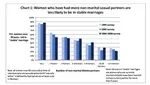

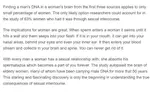

So there aren't many mentally healthy adults in today's world? Whew, shocker. Who would have guessed there are no actual men in society anymore?
>#PRE-OWNED
>#USED
>#REFURBISHED
>#HAND-ME-DOWN
>#RECYCLED
>#PASSED DOWN
>#RECLAIMED
>#CONVERTED
>#REMODELED
>#RENOVATED
>#MODERNIZED
>#UPDATED
>#REVAMPED
You WILL eat the cunt



WuvLXY
No.1781
Arguments built around telegony—the claim that previous sexual partners permanently influence a woman’s future children—are not supported by modern biology. The idea dates back to nineteenth-century speculation before genetics was understood. Scientists once believed that traits from previous mates could somehow linger inside the mother and affect later offspring. That hypothesis collapsed once Mendelian genetics and DNA inheritance were established. Today, biology is very clear: a child’s genetic material comes only from the sperm and egg involved in that specific conception.
In the late 1800s, telegony gained attention because of an anecdote involving a horse breeder who claimed that a mare previously bred with a zebra produced later foals with zebra-like traits even when bred with normal stallions. The story circulated widely in early evolutionary debates. But once genetics advanced, controlled experiments failed to reproduce those results. The apparent similarities were simply ordinary variation, not biological influence from earlier mates.
Modern genetics explains inheritance with far greater precision. Each human cell contains DNA inherited from two parents. During reproduction, sperm contributes half of the genetic material and the egg contributes the other half. There is no mechanism by which DNA from earlier sexual partners could enter the reproductive system, remain dormant, and later shape the genome of a future child. If such a mechanism existed, it would fundamentally contradict everything known about molecular biology.
Claims that semen somehow “imprints” permanently on women misunderstand how the body works. Seminal cells are not designed to integrate into female tissue outside fertilization. The immune system rapidly breaks down foreign cells. Without fertilization and embryo development, genetic material from sperm simply does not persist in the body in a way that could affect future reproduction.
Sometimes the confusion arises from discussions of microchimerism, which is a real phenomenon but unrelated to sexual history. Microchimerism occurs primarily during pregnancy when fetal cells cross the placenta and remain in the mother’s body. Those cells originate from the fetus created during that pregnancy, not from earlier sexual partners. Conflating microchimerism with telegony is a common internet misunderstanding.
The language of “alphas,” “betas,” or “chads” also reflects internet subculture rather than scientific understanding of human relationships. These labels come from simplified dominance models originally used in early animal behavior studies—many of which have since been revised. Even the wolf “alpha” model that popularized this language was later rejected by the same scientist who proposed it after observing wolves in natural family groups.
Human social relationships are far more complex than dominance hierarchies. Attraction involves personality, trust, shared values, emotional compatibility, life goals, and social context. Reducing relationships to rigid status tiers ignores the complexity of human psychology and culture. People form partnerships for many different reasons that cannot be reduced to a single hierarchy.
The phrase “no hymen, no diamond” also reflects misunderstanding of anatomy. The hymen is not a reliable indicator of sexual history. Medical research has shown that hymenal tissue varies widely between individuals and can change for many reasons unrelated to intercourse, including exercise, injury, or natural development. Because of this variability, physicians do not treat the hymen as evidence of sexual activity.
WuvLXY
No.1782
The appeal of deterministic explanations like telegony or rigid “sexual marketplace” hierarchies often comes from emotional frustration. When relationships feel unpredictable or disappointing, it can be comforting to believe that hidden biological rules explain everything. Those narratives transform complex social experiences into simple formulas. Unfortunately, they also distort reality.
Scientific understanding rarely supports such rigid formulas for human behavior. Social science repeatedly shows that relationships succeed through communication, empathy, reliability, and compatibility. These qualities develop through experience and emotional maturity rather than genetic status or internet-defined rankings.
It is also worth noting that evolutionary biology itself does not support the idea that women universally prefer a narrow category of dominant men while everyone else is excluded. Human mating strategies have always been flexible. Across cultures, people choose partners based on cooperation, resource stability, kindness, shared community ties, and emotional trust as much as physical traits.
Online communities that revolve around antagonistic gender narratives often amplify the most cynical interpretations of dating. Repetition inside these spaces can make extreme claims feel normal because everyone in the group reinforces the same worldview. Outside those spaces, however, human relationships tend to be far more varied and cooperative.
Scientific literacy helps clarify the difference between evidence and ideology. A claim about biology should be evaluated by asking whether it is supported by controlled experiments, whether it aligns with established genetic theory, and whether it is recognized by mainstream scientific institutions. Telegony fails each of those tests.
Modern genetics, reproductive biology, and obstetrics have examined inheritance in extraordinary detail. From genome sequencing to paternity testing, the mechanisms of heredity are among the best understood processes in science. None of that research supports the idea that previous sexual partners biologically mark future offspring.
When misinformation spreads widely online, it often persists because it resonates emotionally rather than scientifically. Narratives about purity, dominance, and hidden biological influence tap into anxiety about relationships and identity. But emotional resonance is not the same as empirical evidence.
Understanding the real science of reproduction removes much of the mystery that these theories rely on. Each child is the genetic combination of the two parents involved in that specific conception. Previous partners, past relationships, or sexual history do not alter that biological fact.
Human dignity and relationships ultimately depend on mutual respect rather than myths about hidden biological contamination or rigid social hierarchies. Evidence-based understanding encourages healthier conversations about intimacy, trust, and partnership than theories inherited from outdated nineteenth-century speculation.
WuvLXY
No.1783
In many debates, conversations quietly drift away from the original claim and toward something else: motive. Instead of examining whether an idea is supported by evidence, people begin wondering what the speaker stands to gain from saying it. The question of “skin in the game” appears from that instinct. Humans are used to arguments where reputation, pride, or identity are involved.
When someone feels personally tied to a belief, defending it can become less about accuracy and more about protection. Changing one’s mind may feel like losing status, admitting weakness, or abandoning a group identity. In those situations, evidence often becomes secondary. The argument continues because stepping back would carry a social cost.
Online environments amplify this effect. Discussions happen in front of audiences, often surrounded by people who already agree with one side. That setting encourages performance rather than reflection. Statements are made confidently, positions become sharper, and admitting uncertainty becomes rare.
Because of this, people begin evaluating the speaker rather than the claim. If someone appears emotionally invested, their argument is treated as biased. If someone appears detached, their words are treated as neutral. Yet the reality is more complicated than that simple distinction.
Truth does not depend on whether the messenger has something at stake. Many discoveries have come from people deeply invested in their work. Scientists dedicate careers to theories they believe in. Historians defend interpretations shaped by years of study. Personal investment does not automatically invalidate an idea.
At the same time, neutrality alone does not guarantee correctness. A calm or distant tone can make an explanation sound persuasive, but persuasion is not the same as accuracy. The real question is not who benefits from the claim, but whether the claim survives careful examination.
Reliable knowledge usually emerges from systems that reduce the power of individual bias. In science, researchers must show their methods, share data, and allow others to test the same conclusions. Over time, explanations that consistently match observation remain, while weaker ideas fade.
In contrast, many internet debates operate without those safeguards. People cite fragments of research, isolated anecdotes, or interpretations that were never meant to support the conclusion being drawn. Without shared standards for evaluating evidence, discussions can circle endlessly.
When that happens, the conversation often becomes psychological rather than analytical. Participants ask who is motivated, who is biased, and who is pretending to be neutral. Meanwhile the original question—whether the claim actually aligns with evidence—receives less attention.
Stepping back from that cycle requires shifting focus again. Instead of asking who has something to gain, the more productive question is simple: does the explanation match what careful research and observation show about reality.
WuvLXY
No.1784
In many traditional societies, lineage occupies an important place in how people understand identity. It shapes family memory, inheritance, ritual practice, and the way communities organize themselves across generations. In parts of South Asia, especially within many Hindu traditions, the idea of vamsha or lineage carries cultural meaning that extends beyond simple genealogy.
Lineage historically served practical purposes. In agrarian communities, land, responsibility, and ritual obligations often passed through family lines. Knowing ancestry helped determine inheritance, marriage alliances, and participation in certain ceremonies. Over time these practical arrangements became embedded in cultural narratives about continuity and duty.
Because of this background, conversations about relationships sometimes become entangled with ideas about lineage preservation. People may interpret social change—urbanization, individual choice in marriage, shifting gender roles—as a threat to those inherited structures. The concern is not always biological in the strict scientific sense; often it reflects anxiety about continuity of tradition.
Yet cultural emphasis on lineage does not automatically translate into rigid biological claims about purity or inheritance mechanisms. Hindu philosophical literature itself contains diverse views on identity. Many classical texts emphasize dharma, ethical conduct, and personal responsibility more strongly than strict genealogical determinism.
Historical practice across the subcontinent also shows considerable variation. Different regions developed different marriage customs, kinship systems, and family arrangements. Some traditions prioritized clan exogamy, others emphasized local alliances, and still others adapted to social and economic realities as communities evolved.
Modern genetics and anthropology further complicate simplistic ideas about lineage purity. Human populations have always mixed, migrated, and intermarried across regions and cultures. The genetic record of South Asia itself reflects thousands of years of interaction among diverse populations. Lineage in the cultural sense therefore operates more as a narrative of belonging than as a rigid biological boundary.
In contemporary urban settings, especially around large metropolitan regions, older frameworks of lineage coexist with rapidly changing social patterns. Education, employment mobility, and digital communication have expanded the range of people individuals meet and interact with. As a result, the meaning of family continuity is gradually being renegotiated.
For some people this transition produces uncertainty. Traditions that once structured social life clearly now share space with more individual forms of decision-making. The tension between continuity and autonomy often appears in debates about marriage, relationships, and gender expectations.
Yet cultural systems rarely disappear outright. More often they adapt. Families reinterpret values like loyalty, responsibility, and intergenerational care within new circumstances. The language of lineage remains, but its practical meaning evolves as society changes.
Understanding this distinction can help clarify many arguments that arise in modern discussions. When people refer to lineage, they may actually be expressing concern about cultural stability rather than making a precise biological claim. The emotional weight comes from fear that familiar structures are dissolving too quickly.
At the same time, recognizing the symbolic nature of lineage allows space for coexistence with scientific knowledge. Cultural traditions can preserve memory and identity without requiring explanations that contradict well-established biology or social reality.
Viewed from that perspective, lineage becomes less about controlling individuals and more about maintaining a sense of continuity across generations. Communities reinterpret their heritage while still acknowledging that human relationships, like societies themselves, have always been shaped by adaptation and change.
WuvLXY
No.1785
In some discussions about relationships and lineage, people sometimes encounter strong claims about biology that feel convincing at first glance. The language often sounds scientific, using terms like DNA, inheritance, or imprinting. Yet when these claims are examined through modern genetics and reproductive biology, the mechanisms they describe do not actually exist in the way they are imagined.
Human inheritance follows a very specific process. A child’s genome forms when one sperm cell fertilizes one egg cell. Each contributes half of the DNA that shapes the embryo. Genetic material from previous partners does not enter that process. Outside fertilization, sperm cells are temporary biological cells that the body naturally clears. They do not integrate into tissues or alter future offspring.
The confusion often arises because older theories about reproduction existed before genetics was discovered. For centuries people tried to explain heredity through observation alone. One of those ideas was telegony, the belief that previous mates could influence later offspring. It appeared plausible in an era when DNA, chromosomes, and meiosis were unknown.
Once genetics became understood in the twentieth century, those earlier theories were tested under controlled conditions. They consistently failed. Reproduction follows predictable molecular processes. The genome of a child comes from the two parents involved in that specific conception. No earlier partner contributes genetic information to later children.
Stories about animals are sometimes used to support the older belief. Horse breeding anecdotes appear frequently in these discussions. However, modern animal genetics also rejects telegony. Professional breeders rely on pedigree records and genetic testing, both of which confirm that foals inherit traits only from the mare and stallion involved in the breeding that produced them.
Another misunderstanding appears around the concept of DNA remaining in the body. Human bodies constantly encounter foreign cells—through food, microorganisms, and environmental contact. The immune system processes and removes them. Without fertilization and embryo development, genetic material does not become part of a person’s reproductive lineage.
Occasionally discussions reference microchimerism, a real biological phenomenon. But microchimerism primarily occurs during pregnancy, when fetal cells cross the placenta and remain in the mother’s body. Those cells originate from the fetus itself, not from previous partners, and they do not influence the genetics of future children.
Because the science is complicated, simplified narratives often take hold online. They promise certainty about relationships and identity. In communities where people already feel frustrated or excluded, these narratives can become emotionally reassuring. They present the world as governed by strict hidden rules rather than unpredictable human relationships.
Yet human relationships rarely follow rigid formulas. Attraction, trust, compatibility, and long-term partnership involve many factors—communication, emotional stability, shared goals, and mutual respect. Biological myths cannot replace those social realities, even when they are presented with technical language.
When ideas circulate repeatedly within tight online spaces, they can begin to feel like common knowledge even if they conflict with established research. Repetition gives them familiarity. Over time the narrative becomes part of group identity, and questioning it may feel like betraying the community that shares it.
But outside those echo chambers, the scientific consensus remains consistent. Genetics, molecular biology, and reproductive medicine have examined inheritance in extraordinary detail. Technologies like genome sequencing and paternity testing work precisely because DNA transmission follows clear rules. Those rules leave no room for the mechanisms proposed by telegony.
WuvLXY
No.1786
It can be difficult to step away from explanations that once felt convincing. Many people adopt them while trying to make sense of complicated social experiences. Discovering that a theory is incorrect does not mean the original questions were foolish. Curiosity and the desire to understand relationships are completely normal.
The important distinction is between the emotional reasons a theory spreads and the evidence that actually supports it. Emotional resonance can make an idea powerful in conversation, but scientific explanations require mechanisms that match observable biology.
Modern research across genetics, obstetrics, and evolutionary biology continues to confirm the same principle: each child’s DNA is inherited from the specific sperm and egg that formed that pregnancy. Previous partners, past relationships, or sexual history do not alter that biological fact.
Understanding this does not erase the cultural or personal values people hold about relationships. Communities and individuals can define their expectations for partnership in many ways. But when biological claims are made about inheritance or DNA, those claims can be evaluated against well-established scientific knowledge.
In the end, separating cultural beliefs from biological processes helps keep both conversations clearer. Traditions and personal preferences belong to the realm of social values. Genetics belongs to the realm of evidence. Confusing the two often produces myths that feel convincing yet fail when examined through the lens of modern science.
BSRgMA
No.1787
>>1781
>>1782
>>1783
>>1784
>Claims that semen somehow “imprints” permanently on women misunderstand how the body works. Seminal cells are not designed to integrate into female tissue outside fertilization. The immune system rapidly breaks down foreign cells. Without fertilization and embryo development, genetic material from sperm simply does not persist in the body in a way that could affect future reproduction.
read the research papers instead of posting feminist ai slop or ask the ai to counter the conducted research posted above.
A simple knowledge about the mechanism of Rhesus disease can debunk that ai slop.
MpS/c2
No.1788
Confirmation bias appears when a person begins with a conclusion and then searches for information that supports it. In this pattern, contradictory evidence is dismissed while reinforcing material is highlighted. The belief becomes increasingly stable not because it has been tested, but because only agreeable sources are allowed to influence the conclusion.
Over time, confirmation bias creates a self-reinforcing information loop. Articles, anecdotes, and forum posts that agree with the theory are treated as proof, while scientific consensus is framed as corruption or manipulation. The person becomes more confident precisely because opposing evidence is filtered out before it can be examined.
This cognitive pattern is common in highly ideological online environments. Once a belief becomes tied to identity or community belonging, abandoning it can feel like losing status. As a result, the belief persists even when the underlying claim conflicts with established genetic or biological research.
MpS/c2
No.1789
Some arguments rely on scientific ideas that were proposed before modern genetics existed. Telegony is one example: a nineteenth-century attempt to explain inheritance before DNA, chromosomes, and reproductive mechanisms were understood. At the time it seemed plausible, but later discoveries replaced it with far more precise explanations.
Modern biology describes inheritance through well-studied processes such as meiosis, fertilization, and DNA recombination. These mechanisms have been confirmed through molecular research, genome sequencing, and paternity testing. Because of this knowledge, earlier speculative theories about lingering influence from previous mates were abandoned.
When outdated models continue to circulate online, they often appear convincing because they are framed with scientific vocabulary. However, their underlying assumptions no longer align with contemporary evidence. The persistence of these theories usually reflects cultural narratives rather than current biological understanding.
MpS/c2
No.1790
In many cultures, lineage carries symbolic importance related to family continuity, inheritance, and social identity. These traditions often use language about bloodlines or purity to describe belonging within a community. Such language historically served social and ritual functions rather than describing molecular genetics.
Problems arise when symbolic lineage concepts are treated as literal biological mechanisms. Cultural frameworks about ancestry may be interpreted as evidence that genetic traits can be altered by sexual history or past partners. This leap confuses social tradition with scientific explanation.
Modern genetics shows that biological inheritance operates through specific reproductive events rather than accumulated social history. Cultural beliefs about lineage may still hold meaning within communities, but they do not change the underlying biological processes that determine DNA inheritance in children.
MpS/c2
No.1791
An appeal to antiquity occurs when a belief is defended primarily because it is old. The reasoning assumes that if an idea has existed for centuries or millennia, it must contain truth. Historical longevity becomes the main evidence supporting the claim.
However, many long-standing beliefs have later been corrected as knowledge advanced. Early theories about medicine, astronomy, and biology were replaced when new observations revealed better explanations. Age alone does not guarantee accuracy.
In debates about reproduction or genetics, referencing ancient customs or breeder anecdotes may create the impression of authority. Yet scientific claims require evidence that matches current understanding of biology. Tradition can explain cultural practices, but it does not determine how genetic inheritance actually works.
MpS/c2
No.1792
Animal breeding stories often appear in discussions about heredity. Observations from livestock or horse breeding are sometimes interpreted as proof that earlier mates influence later offspring. These anecdotes typically emerged before modern genetic science developed.
When breeders observe unexpected traits in animals, the explanation is usually genetic variation, recessive genes, or environmental factors rather than influence from past partners. Controlled breeding experiments conducted after the discovery of genetics repeatedly failed to confirm telegony.
Modern breeders rely on pedigree records and genetic testing precisely because inheritance follows predictable genetic rules. Anecdotes can appear persuasive, but without controlled evidence they do not demonstrate mechanisms that contradict established reproductive biology.
MpS/c2
No.1793
Moral absolutism appears when complex social behavior is reduced to strict categories of purity and corruption. In this framework, sexual history becomes interpreted not merely as a personal choice but as a permanent moral condition affecting worth or legitimacy.
Such thinking often merges ethical judgment with biological claims. Cultural standards about relationships are presented as scientific facts about genetics or inheritance. This fusion makes the belief feel stronger because it appears to have both moral and scientific justification.
In reality, social norms and biological mechanisms operate in different domains. Communities can maintain values about relationships if they choose, but those values do not alter the genetic processes through which children inherit DNA from their parents.
MpS/c2
No.1794
Many ideological discussions rely heavily on dividing people into opposing camps. Language is used to label allies as enlightened or truthful while opponents are portrayed as corrupt, ignorant, or malicious. This framing simplifies complex disagreements into tribal conflict.
Once this structure forms, arguments become less about evidence and more about defending group identity. Accepting information from an opposing group may feel like betrayal. As a result, ideas circulate mainly within the in-group where they face little scrutiny.
Online communities often intensify this pattern because they cluster people with similar beliefs. Over time the group develops its own vocabulary, assumptions, and narratives. Members reinforce one another’s views while treating outside criticism as proof that the group is being targeted or suppressed.
MpS/c2
No.1795
Shock language is a rhetorical strategy designed to provoke emotional reactions. Graphic descriptions, insults, or exaggerated statements attract attention and force readers into a defensive position. The conversation becomes emotionally charged rather than analytical.
This approach can create the impression of confidence or dominance within online debates. Strong language may intimidate opponents or rally supporters who interpret the aggression as strength. However, it rarely improves the quality of reasoning.
When discussion centers on provocation, the original question—such as a biological or scientific claim—receives less scrutiny. The focus shifts toward emotional responses and social conflict rather than examining whether the underlying argument matches evidence.
MpS/c2
No.1796
Some narratives portray the speaker as someone revealing hidden truths to a misled public. The idea is that society has been deceived by institutions, while a small group has discovered the real explanation. This framing creates a powerful sense of mission.
Once this identity forms, disagreement can reinforce the narrative rather than weaken it. Criticism becomes proof that powerful forces are suppressing the truth. The speaker’s status as an outsider strengthens rather than diminishes.
While skepticism toward authority can sometimes be valuable, genuine discoveries eventually withstand independent verification. Claims that remain confined to small communities without broader scientific confirmation usually persist because of social reinforcement rather than empirical validation.
MpS/c2
No.1797
Deterministic thinking attempts to reduce complex social behavior to simple biological rules. In this framework, attraction, partnership, and family formation are treated as predictable outcomes of genetic hierarchies or rigid reproductive strategies.
Human relationships are far more complicated than these simplified models suggest. Cultural norms, personal compatibility, emotional bonds, and social environment all influence how people choose partners and build families.
When deterministic explanations dominate, they often remove the role of individual agency and social learning. The result is a worldview where human behavior appears governed by hidden biological laws rather than shaped by diverse social and psychological factors.
MpS/c2
No.1798
Echo chambers form when people primarily interact with others who share the same assumptions. Within these environments, ideas are repeated and reinforced without significant challenge. Over time the repetition creates the impression that the belief is widely accepted.
Information that contradicts the shared narrative may be dismissed immediately or reinterpreted as propaganda. Because alternative viewpoints rarely receive serious consideration, the community’s confidence grows even if the underlying claim lacks empirical support.
Digital forums can intensify this effect because algorithms and community moderation often cluster users with similar views. The resulting environment allows certain narratives to circulate continuously without encountering the broader scientific or social context that might challenge them.
MpS/c2
No.1799
Emotional reasoning occurs when a belief is shaped primarily by feelings rather than by evidence. Concerns about lineage, inheritance, and paternity can carry strong emotional weight because they relate to identity, family continuity, and social status.
When these anxieties are present, ideas that promise certainty or control over lineage can become especially appealing. The belief offers a simple explanation for complex social fears about trust, fidelity, and biological parenthood.
However, emotional comfort does not guarantee factual accuracy. Scientific questions about inheritance must be examined through genetics and empirical research rather than through narratives designed to reduce personal anxiety about lineage.
BSRgMA
No.1800

Just Hug you wife bro instead of posting your emotional ai-slop outpour here.
MpS/c2
No.1801
Cultural values often shape how people interpret scientific topics. Ideas about purity, honor, and family reputation may be deeply rooted in social traditions. These frameworks influence how individuals understand reproduction and relationships.
The difficulty arises when symbolic cultural ideas are interpreted as biological mechanisms. A value system that promotes sexual restraint, for example, may be reinterpreted as evidence that past partners permanently alter genetic inheritance.
In reality, biology operates through defined molecular processes that remain independent of cultural rules. Social traditions can guide behavior within communities, but they do not modify the genetic principles that determine how DNA is transmitted to offspring.
MpS/c2
No.1802
Some belief systems prefer explanations that are absolute and unambiguous. Complex scientific topics, however, often involve nuance, probability, and incomplete knowledge. This uncertainty can feel unsatisfying or unstable.
When ambiguity is uncomfortable, simplified narratives become attractive. A deterministic explanation—such as a single rule governing sexual behavior and inheritance—offers psychological clarity even if it lacks scientific support.
Tolerance for ambiguity is an important component of critical thinking. Accepting that some questions require evidence, revision, and uncertainty allows individuals to adapt their understanding as new information becomes available.
MpS/c2
No.1803
Another common pattern is the belief that modern society has deviated from a stable or morally superior past. Changes in gender roles, sexuality, and social norms may be interpreted as evidence that traditional order has been disrupted.
Within this narrative, scientific claims can become tools used to justify cultural criticism. Biological arguments are introduced to support the idea that contemporary behavior will damage families, lineage, or civilization itself.
While societies do evolve over time, explanations for social change are typically complex and multifactorial. Framing modern developments purely as decline often simplifies historical realities and overlooks the diversity of social structures that have existed across cultures.
MpS/c2
No.1804
Ideological certainty can sometimes mask deeper personal insecurities. When individuals feel uncertain about social status, relationships, or personal worth, rigid belief systems can provide a sense of control and identity.
By defining clear hierarchies—such as superior and inferior partners or pure and corrupted lineage—the ideology offers a framework where personal anxieties appear resolved. The belief system becomes both explanation and defense mechanism.
However, such certainty may depend on maintaining the belief at all costs. Challenges to the ideology can feel like personal threats, which encourages stronger attachment to the narrative rather than open examination of evidence.
MpS/c2
No.1805
Many cultures historically used the concept of purity in symbolic or ritual contexts. These ideas often governed marriage customs, (indian) boundaries, or family alliances. The concept described social belonging rather than molecular biology.
In modern discussions, the term “genetic purity” is sometimes used as though it directly corresponds to those symbolic traditions. This can lead to the belief that sexual behavior alters the genetic composition of future offspring.
Genetics, however, does not function through accumulated symbolic purity. DNA inheritance occurs through specific reproductive events involving gametes. Cultural metaphors about purity do not translate into mechanisms that alter genetic material across unrelated partners.
MpS/c2
No.1806
Scientific subjects such as genetics, reproductive biology, and cellular inheritance are inherently complex. They involve multiple interacting processes, including DNA recombination, gene expression, and embryonic development.
When these topics are simplified into single explanatory ideas, misunderstandings can occur. Concepts like microchimerism, for example, are sometimes exaggerated beyond what research actually demonstrates.
Responsible interpretation of scientific findings requires careful attention to scope and context. Isolated terms or discoveries should not be expanded into universal explanations without supporting evidence from broader research.
MpS/c2
No.1807
Another recurring pattern is antagonism toward groups perceived as socially dominant or culturally influential. Academics, feminists, professionals, or urban populations may be portrayed as controlling narratives about science and society.
This hostility can encourage rejection of mainstream research. Scientific consensus becomes interpreted as ideological enforcement rather than the result of cumulative evidence and peer review.
While institutions can certainly be criticized, dismissing expertise entirely creates an environment where unsupported theories can flourish without meaningful scrutiny.
MpS/c2
No.1808
Online communities often develop strong internal identities. Members share language, memes, and narratives that reinforce belonging within the group. Participation becomes part of personal identity.
Within these environments, repeating group beliefs signals loyalty and status. The more strongly a member defends the shared narrative, the more recognition they may receive from others in the community.
Over time this dynamic can transform a belief into a social marker rather than an empirical claim. Changing one’s mind becomes difficult because it risks losing group acceptance or identity within the subculture.
MpS/c2
No.1809
A final pattern is the framing of social behavior as a biological danger to future generations. Sexual norms, cultural change, or shifts in family structure are presented as threats to genetic quality or lineage survival.
By presenting moral concerns as biological crises, the argument gains emotional urgency. The issue appears not merely cultural but existential, affecting the health or purity of future offspring.
However, modern genetic research does not support claims that sexual history alters the DNA of unrelated children. When moral panic adopts biological language, the resulting narrative often reflects cultural anxieties rather than scientific reality.
MpS/c2
No.1811
Selective acceptance occurs when a person treats supportive information as credible while rejecting contradictory evidence without evaluation. The standard of proof becomes uneven depending on whether the information confirms the belief.
Scientific studies, expert explanations, or biological consensus may be dismissed as propaganda or bias, while anonymous posts or ideological blogs are accepted as trustworthy. The result is an evidence filter that protects the original belief.
Over time this pattern prevents correction because contradictory information never receives fair consideration. The belief persists not because it withstands scrutiny, but because scrutiny is applied only to opposing viewpoints.
MpS/c2
No.1812
MpS/c2
No.1813
Scientific consensus develops when independent research repeatedly arrives at similar conclusions. In genetics, this process includes laboratory experiments, peer review, replication, and technological verification such as genome sequencing.
Rejecting consensus is sometimes framed as intellectual independence. However, dismissing a large body of converging evidence requires stronger proof than the claim being rejected. Without that proof, the rejection becomes ideological rather than analytical.
Healthy skepticism examines data critically while remaining open to evidence. Blanket dismissal of established research often signals distrust of institutions rather than engagement with the scientific method itself.
BSRgMA
No.1814

yaar mods ban this emotional faggot
He can't cope with the past of his wife.
BSRgMA
No.1815
>>1812
i immediately delete the post realizing my grammatical mistake. Now you have resorted to picking unrelated things ITT. You have flooded this thread with your AI slop out of imbecile rage because of your wife.
Speak for yourself mate.
BSRgMA
No.1816
>>1815
I hope you won't repeat your mistake like a child.
I also request the mods to delete your ai essays. Thats not how it works. If you are using ai then keep it crisp.
CLVEbl
No.1817
wtf just happened to this thread. ai slop poster ne derail kardi kya ??
L2vgmk
No.1818
Overgeneralization happens when a broad conclusion is drawn from a small or poorly supported observation. A single anecdote, historical claim, or online example becomes treated as proof of a universal rule.
In discussions about reproduction or lineage, isolated cases are sometimes presented as confirmation of biological mechanisms. Without controlled studies, these cases cannot demonstrate causation.
Science requires repeated observation under controlled conditions. When large claims rely on limited examples, the conclusion typically reflects interpretation rather than empirical verification.
L2vgmk
No.1819
Pseudoscientific language imitates scientific terminology without following scientific reasoning. Terms such as DNA absorption, genetic contamination, or biological conditioning may be used in ways that sound technical but lack defined mechanisms.
This language can create the impression of expertise. Readers unfamiliar with the underlying science may assume the argument has empirical support because it references biological vocabulary.
In legitimate scientific work, terminology is linked to measurable processes and experimental evidence. When language appears scientific but lacks methodological backing, it usually indicates rhetorical framing rather than actual research.
L2vgmk
No.1820
Biological determinism is the belief that complex human behavior can be explained almost entirely by genetic or evolutionary rules. Social dynamics such as attraction, relationships, or cultural norms become interpreted as fixed biological programs.
While biology influences human behavior, it interacts with psychological development, culture, environment, and individual choice. Reducing everything to genetics oversimplifies how societies function.
When deterministic models dominate discussion, they often justify rigid hierarchies or moral judgments by presenting them as natural laws. This framing removes nuance and ignores the diversity of human social experience.
L2vgmk
No.1821
Binary thinking divides complex realities into two absolute categories. In this pattern, individuals or behaviors are labeled entirely pure or entirely corrupted without recognizing intermediate states.
Sexuality and relationships are particularly vulnerable to this framing because they intersect with cultural norms and personal values. A person's entire character may be reduced to a single perceived violation of purity.
Such rigid categorization often ignores context, individual circumstances, and personal growth. Human behavior typically exists along a spectrum rather than fitting neatly into absolute moral categories.
L2vgmk
No.1822
Personal values about relationships or sexuality are legitimate choices for individuals. Problems arise when those preferences are presented as the only rational or acceptable position for everyone.
In these situations, disagreement is interpreted as irrationality or moral failure rather than a difference in values. The conversation shifts from discussion to moral judgment.
Recognizing the difference between personal standards and universal facts allows for more constructive dialogue. Cultural norms and individual preferences can vary without requiring biological justification.
L2vgmk
No.1823
Repetition of extreme statements can escalate a conversation over time. Each statement becomes more graphic or confrontational in order to maintain attention and reinforce commitment to the argument.
This escalation often pushes discussions away from evidence and toward emotional reaction. Participants respond to the tone rather than the underlying claim.
The pattern is common in adversarial online environments where engagement is driven by conflict. The more provocative the language becomes, the less space remains for careful analysis or mutual understanding.
BSRgMA
No.1824
>>1817
yaar woh shaadishuda hai, usne pehle bhi microchimerism aur no-hymen-no-diamond threads mein seethe kiya hai. Jabki woh khud bhi shaadi se pehle doosri ladkyo ke saath sex kar chukaa hai.
Usko apni wife ko "trad-girl" image mein dekhna zyadaa pasand hai isiliye ussey aise threads se nafrat hai.
BSRgMA
No.1825
>>1824
also there are some chances that he is a Mod.
L2vgmk
No.1826
>>1824
Please refrain from using ad hominems, in my thread
L2vgmk
No.1827
Another diagnostic indicator is the framing of disagreement as a battle against numerous opposing groups. Critics may be labeled as feminists, outsiders, ideological enemies, or corrupted institutions.
When many unrelated groups are portrayed as adversaries, the belief system becomes insulated from critique. Any challenge can be dismissed as part of the same hostile coalition.
This structure reinforces the idea that the individual or community possesses unique truth while the surrounding society is collectively misguided. The belief remains stable because criticism is reinterpreted as confirmation of persecution.
L2vgmk
No.1828
A final pattern is unwavering confidence in a claim despite limited or contradictory evidence. The certainty is expressed not as a hypothesis but as an established fact that cannot reasonably be questioned.
In scientific reasoning, confidence increases gradually as evidence accumulates. Claims are revised when new information appears. Absolute certainty without proportional evidence usually indicates ideological commitment.
When belief becomes tied to identity or community belonging, changing one’s position may feel psychologically costly. As a result, certainty persists even when the underlying claim lacks empirical support.
BSRgMA
No.1829
>>1826
ye adhominem nhi hota yaar. Mein toh tujhe reply bhi nhi kar rha.
>in my thread
bhai agar tuu mod hai toh seedhe seedhe thread hi delete kar de, aise raitaa failaane se accha.
L2vgmk
No.1830
A common breakdown in discourse occurs when criticism of an idea is replaced with attacks on the person presenting it. Insults about character, intelligence, or personal life substitute for engagement with the actual claim. The discussion shifts from examining evidence to discrediting the individual.
This pattern weakens the quality of argumentation because it removes the need to address substance. Instead of explaining why a claim might be incorrect, rhetorical energy is spent undermining the speaker’s credibility through ridicule or accusation.
In analytical reasoning, ideas stand or fall based on evidence and logic rather than on the perceived flaws of the individual presenting them. When personal attacks dominate a discussion, it usually indicates that the argument itself has not been meaningfully addressed.
BSRgMA
No.1831
ye itna seethe kar rha hai ki ai slop post kiye jaa rha hai. Mein iska mazaak bhi nhi udaana chahta isliye politely bol rha hu isko aur mods ko ki iske posts delete kar dein.
Bhao jo ho gya so ho gya. Ab shaadi kari hai toh nibhaana bhi padega.
L2vgmk
No.1832
Another recognizable pattern is the attribution of hidden motives to others without evidence. A participant may claim that a person’s arguments are driven by marital insecurity, emotional distress, or personal guilt rather than by intellectual disagreement.
This projection reframes debate as psychological exposure rather than analysis. Instead of evaluating whether the claim itself has merit, the focus shifts toward speculating about the speaker’s private life or emotional state.
Such speculation rarely advances understanding. Without direct knowledge of the individual involved, attributing motives becomes guesswork that distracts from examining the reasoning and evidence within the argument itself.


6UoO7U
No.1833
report krde
WuvLXY
No.1834
>>1831
Please don't derail the thread, you can learn something
C3Nx+E
No.1835
>>1833
Ok, I will report him
C3Nx+E
No.1836
Participants sometimes attempt to distance themselves from the tone of the conflict by claiming they were not directly responding to the other person. This rhetorical move frames their statements as neutral commentary rather than as part of the confrontation.
However, statements made within the same discussion context still influence the overall interaction. Comments that reference or imply another participant’s motives or behavior contribute to the escalation even if they are framed indirectly.
Responsible discourse recognizes that communication within a shared thread affects the entire exchange. Distancing language does not fully remove the impact of statements that clearly relate to the ongoing disagreement.
NLQvH3
No.1837
Another pattern involves criticizing an individual without addressing them directly. By referring to the person indirectly—through implication or third-person description—the speaker maintains the appearance of neutrality while still shaping perceptions about that individual.
This indirect commentary can be rhetorically convenient. It allows personal criticism to be delivered while avoiding the accountability that comes with direct argumentation.
In analytical dialogue, clarity is generally preferable to implication. If criticism exists, it is more productive when it is stated explicitly and supported with reasoning rather than conveyed through indirect insinuation.
NLQvH3
No.1838
When confronted with accusations of personal attack, a participant may redefine their statements as something else entirely. The claim may shift from criticism to “observation,” “context,” or commentary about the environment of the thread.
This reframing attempts to avoid responsibility for the tone or content of earlier remarks. By altering the label applied to the statement, the speaker suggests that the criticism itself was misunderstood.
However, rhetorical redefinition does not change the functional effect of the statement. Whether described as commentary or criticism, remarks that question another person’s character or motives still operate as personal evaluation rather than argument analysis.
BSRgMA
No.1839
Mods pls delete his ai essay posts. Don't ban him.
Also delete my posts in which I replied to him.
NLQvH3
No.1840
A recurring feature of such exchanges is the prioritization of social interpretation over empirical discussion. Instead of examining scientific or factual claims, the conversation focuses on who belongs where in the social hierarchy of the forum.
Participants speculate about moderators, marital status, motivations, or alliances within the community. The debate gradually transforms into a narrative about personalities rather than about the original topic.
Evidence-based debate requires sustained attention to the claim itself. When social framing dominates the conversation, the intellectual question that initiated the discussion becomes secondary to interpersonal positioning.
NLQvH3
No.1841
>>1839
Please stop derailing the thread
NLQvH3
No.1842
A recurring feature of such exchanges is the prioritization of social interpretation over empirical discussion. Instead of examining scientific or factual claims, the conversation focuses on who belongs where in the social hierarchy of the forum.
Participants speculate about moderators, marital status, motivations, or alliances within the community. The debate gradually transforms into a narrative about personalities rather than about the original topic.
Evidence-based debate requires sustained attention to the claim itself. When social framing dominates the conversation, the intellectual question that initiated the discussion becomes secondary to interpersonal positioning.
BSRgMA
No.1844

bhai maaf kar de teri wife ultra virgin hai. Tere saath sex krne ke baad bhi woh virgin hai. Tera baccha jiske andar teri wife ke puraane partners ke cells hain usko paida karne ke baad bhi woh virgin hi hai.
Yaar Ab maan jaa.
NLQvH3
No.1845
Public discussions about purity often reveal less about religion and more about personal anxiety. When someone becomes excessively focused on another person’s past, it usually reflects fear of comparison, insecurity about worth, or a need for control within relationships.
In many cases religion becomes a convenient language to express those anxieties. Sacred vocabulary gives personal discomfort the appearance of moral authority. However, when religion is used primarily to shame or control others, it ceases to function as ethical guidance and becomes a social weapon.
Islamic scripture consistently redirects attention away from obsessive judgment of others and toward personal conduct. The emphasis is on humility and accountability rather than surveillance of another person’s history.
Qur’an 49:13 — “Indeed, the most noble of you in the sight of Allah is the most righteous of you.”
6UoO7U
No.1846
>>1844
kekekekekek
NLQvH3
No.1847
A common misconception is that Islam treats virginity as the ultimate measure of moral worth. In reality, Islamic ethics places greater emphasis on intention, repentance, and personal character rather than irreversible moral labeling.
Islamic law historically recognizes that people make mistakes and allows for repentance and renewal. Moral identity is not permanently defined by past actions. The faith repeatedly stresses the possibility of returning to ethical conduct regardless of previous behavior.
When religious language is used to permanently stigmatize people for past relationships, it contradicts the broader Qur’anic emphasis on mercy and transformation.
Qur’an 39:53 — “O My servants who have transgressed against themselves, do not despair of the mercy of Allah. Indeed, Allah forgives all sins.”
BSRgMA
No.1848
>>1846
yaar ye muslim hai kya ? baar baar Koran quote kar deta hai.
I genuinely appreciate his liberal outlook if he is a muslim.
NLQvH3
No.1849
Extreme fixation on sexual history often emerges in environments where masculinity is defined through comparison and dominance rather than personal stability. Anxiety about sexual hierarchy or competition can produce narratives about purity and contamination.
Instead of building confidence through character, responsibility, and partnership, some individuals attempt to secure status by policing the behavior of women. This transforms relationships into arenas of control rather than mutual respect.
Islamic ethical teaching does not frame masculinity through control over women’s pasts. Instead it emphasizes personal discipline, restraint, and moral accountability for men themselves.
Qur’an 24:30 — “Tell the believing men to lower their gaze and guard their modesty. That is purer for them.”
NLQvH3
No.1850
Another recurring pattern is the attempt to justify cultural prejudice through pseudo-scientific language. Concepts such as genetic contamination, biological imprinting, or exaggerated interpretations of obscure studies are used to give ideological claims a technical appearance.
This approach often creates a false sense of intellectual superiority. The individual feels they possess hidden knowledge that others supposedly ignore. In reality the argument depends more on selective interpretation than on established research.
Islamic tradition historically encouraged humility toward knowledge. Claims about science and human biology were expected to be grounded in careful scholarship rather than rhetorical certainty.
Qur’an 17:36 — “Do not pursue that of which you have no knowledge. Indeed, the hearing, the sight, and the heart—about all those one will be questioned.”
NLQvH3
No.1851
Marriage in Islamic ethics is framed primarily as a partnership based on responsibility, compassion, and trust. Obsessive scrutiny of a partner’s past conflicts with this principle because it replaces commitment with suspicion.
Healthy relationships depend on present behavior and mutual respect rather than historical comparison. Continual fixation on imagined past scenarios erodes stability within the relationship itself.
The Qur’an repeatedly describes marriage not as ownership or purity certification, but as a bond built on tranquility and mercy between two people.
Qur’an 30:21 — “And among His signs is that He created for you spouses from among yourselves so that you may find tranquility in them, and He placed between you affection and mercy.”
NLQvH3
No.1852
A final issue is the tendency to judge others harshly while avoiding self-reflection. Moral outrage directed outward can become a way to avoid examining one’s own conduct or insecurities.
Religious traditions generally warn against this imbalance. Ethical maturity requires humility and awareness that all individuals are accountable for their own behavior rather than the imagined faults of others.
When discussion shifts from personal growth to constant condemnation of others, religion loses its purpose as moral guidance and becomes merely a tool for social hierarchy.
Qur’an 2:286 — “Each soul will bear the consequence of what it has earned.”
6UoO7U
No.1853
>>1848
i think he's trying to quote the quran against you, idk if he understands how vague those lines are though
+6c71E
No.1854
Many men fall into the trap of measuring their value against others—height, skin color, status, or sexual reputation. This comparison gradually erodes confidence because the standard is always external. A person begins to believe their dignity must be proven through dominance or moral superiority.
A healthier approach begins with recognizing that human worth does not originate from social ranking. It comes from character, discipline, and the ability to grow despite circumstances. A person who develops clarity, responsibility, and patience naturally commands respect without needing to demand it.
In Buddhist thought, dignity arises from understanding one's own mind rather than from competing with others. When comparison fades, self-respect becomes stable rather than fragile.
Dhammapada 160 — “Attā hi attano nātho” — “One is truly one’s own protector.”
+6c71E
No.1855
>>1852
Chill kar
+6c71E
No.1856
Historical disadvantage in education has affected many communities. When someone grows up in environments where access to formal learning was limited, insecurity about language or knowledge can easily transform into defensiveness in intellectual spaces.
Instead of reacting with hostility, the constructive response is steady self-improvement. Reading carefully, asking questions, and refining language skills gradually build genuine confidence. Knowledge gained through effort is far stronger than the appearance of intellectual certainty.
Navayana Buddhism, inspired by B. R. Ambedkar, emphasizes education as a path out of inherited limitation. Learning becomes not only personal growth but also social emancipation.
Ambedkar’s Buddhist teaching — “Educate, Agitate, Organize.”
+6c71E
No.1857
Participating in an English-speaking forum while still developing fluency can be frustrating. Misunderstandings may occur, and criticism can feel humiliating. In such situations the instinct to defend oneself aggressively is understandable but often counterproductive.
True intellectual strength appears when someone acknowledges learning gaps and works patiently to close them. Language improves through reading, listening, and writing repeatedly, not through proving superiority in arguments.
Buddhist practice values humility in learning. Admitting what one does not yet know becomes the beginning of genuine understanding rather than a sign of weakness.
Dhammapada 63 — “The fool who knows he is a fool is wise at least in that.”
BSRgMA
No.1858
>>1853
mujhe lag rha hai ki ye liberal muslim hai jo islam ki widow remarriage ko Koran ke Ai waale liberal interpretation se bachaana chahaa rha hai, khud ko convince krne ke liye.
yjgbT4
No.1859
People from historically marginalized backgrounds sometimes internalize the social hierarchies imposed upon them. Feelings of resentment or inferiority can quietly shape how they interpret the world and interact with others.
Breaking this pattern requires recognizing that inherited status does not determine personal capacity. Social history explains circumstances, but it does not define the limits of individual growth.
Navayana Buddhism specifically rejected (indian) hierarchy and emphasized human equality. Ambedkar’s adoption of Buddhism was meant to restore dignity through rational thought and ethical living.
Ambedkar — “Life should be great rather than long.”
BSRgMA
No.1860
Yaar ab toh lag rha hai ki ye koi bot hai. Dyaush ka nayaa experiment.
yjgbT4
No.1861
>>1858
A man who grows up carrying multiple social pressures—height insecurity, darker skin in a color-conscious society, lower (indian) ancestry, or family histories of religious conversion—often absorbs messages that he is somehow lesser in the social hierarchy. These pressures accumulate slowly through jokes, discrimination, comparison, and subtle exclusion. Over time the mind begins interpreting ordinary interactions through the lens of humiliation or rejection.
When these insecurities remain unresolved, bitterness can emerge. Instead of seeing society as complex and unfair in different ways to different people, the mind searches for a clear cause. That search sometimes turns toward simplified explanations about hierarchy, genetics, or moral purity. The explanation feels empowering because it offers a narrative where personal disadvantage becomes someone else’s fault.
This bitterness is rarely about one single factor. It grows from accumulated frustration—economic pressure, social comparison, cultural expectations of masculinity, and historical inequality. Without constructive channels such as education, mentorship, or self-development, the frustration may gradually transform into anger directed outward.
yjgbT4
No.1862
When men struggle with insecurity about status or attractiveness, relationships can become symbolic arenas where they try to reclaim dignity. Instead of seeking mutual companionship, the mind begins treating women as markers of validation. A woman’s past or perceived purity becomes a way to measure personal worth rather than simply a part of her own life story.
This dynamic is intensified in online spaces that emphasize sexual hierarchy and competition. Narratives about “high value” men, genetic superiority, or purity create a worldview where intimacy is framed as status acquisition. For someone already struggling with feelings of inferiority, these narratives can feel like explanations for their frustrations.
The result is that resentment aimed at broader social pressures becomes redirected toward women. Instead of addressing systemic disadvantages or personal insecurities, the mind focuses on controlling or criticizing female behavior. This redirection temporarily reduces internal discomfort but ultimately deepens isolation and hostility.
yjgbT4
No.1863
The most effective way to counter bitterness is through building internal stability rather than external comparison. A man who invests in education, skill development, physical health, and emotional maturity gradually shifts his sense of worth away from social ranking and toward personal capability. Confidence developed through competence is far more durable than confidence built through comparison.
Another crucial step is reframing identity. Height, skin tone, (indian) background, or family history do not determine the trajectory of a person’s life. History explains circumstances but does not limit intellectual growth, character formation, or professional achievement. Many individuals from disadvantaged backgrounds have built powerful lives precisely because they focused on growth rather than resentment.
Finally, relationships improve when they are approached with empathy rather than insecurity. Women, like men, navigate complex social pressures and personal histories. Seeing them as individuals rather than symbols of purity or status allows genuine partnership to emerge. Respectful relationships built on mutual dignity often provide far more emotional stability than attempts to enforce control or moral superiority.
2pNsxG
No.1864
>>1860
Ye koi librandu chamar hai jiski biwi ya future fiance randi hai aur wo isko pata hai isliye chimout kar raha
Kon hi sensible insaan ambedkar aur buddhism ko use karta hai argument
BSRgMA
No.1865
>>1864
arre yaar woh bhi theek hai lekin AI se essays kyu likhwaa rhaa hai ye. Seedhe seedhe crisp arguments post kare toh mein reply bhi karu.
yjgbT4
No.1866
A man raised in an environment where masculinity is narrowly defined often feels pressure to conform to expectations he did not choose. If his emotional or sexual orientation differs from those expectations, confusion can arise. Instead of exploring that difference calmly, he may begin suppressing it, fearing judgment from family, community, or peers.
Suppression rarely removes feelings; it only redirects them. When attraction to men exists but cannot be openly acknowledged, the mind sometimes invents explanations that shift attention elsewhere. Hostility toward women can become a defense mechanism, allowing him to avoid confronting the deeper question of his own identity and emotional needs.
Recognizing internal conflict is not weakness. Many people experience tension between who they are and who they believe they must become. Honest self-reflection allows a person to approach that tension with patience rather than anger, gradually reducing the need to project unresolved feelings onto others.
yjgbT4
No.1867
In many households, fathers carry a powerful image of what a “real man” should be—physically strong, dominant, emotionally reserved, and socially successful. Sons often grow up internalizing this model even when it does not match their own temperament or identity.
When a son senses that he cannot easily fit that image, feelings of inadequacy may develop. Instead of seeing masculinity as diverse and flexible, he may believe he has failed a standard set long before he had the chance to define himself.
Understanding that parental ideals are shaped by their own generation and experiences can help ease this pressure. A man’s identity does not need to replicate his father’s expectations in order to be legitimate or meaningful.
yjgbT4
No.1868
Some men find themselves emotionally closer to their mothers than to their fathers. This can happen for many reasons—temperament, empathy, communication style, or simply shared experiences within the family environment.
When masculinity is rigidly defined, that closeness may create confusion. A man might worry that identifying with traits he associates with his mother somehow makes him less masculine or socially acceptable.
In reality, empathy, emotional awareness, and relational sensitivity are human qualities rather than gendered weaknesses. These traits often strengthen relationships and personal stability rather than diminishing them.
yjgbT4
No.1869
When identity struggles remain unresolved, frustration sometimes seeks a target. Women become convenient targets because cultural narratives frequently portray them as responsible for male validation, rejection, or insecurity.
This misdirection of anger creates a cycle where personal discomfort is externalized rather than examined. The individual may feel temporary relief while expressing resentment, but the underlying conflict remains untouched.
Breaking this pattern requires recognizing that women are not the source of internal struggle. They are individuals navigating their own lives, not symbols meant to absorb someone else’s unresolved frustration.
yjgbT4
No.1870
Sexual orientation is a deeply personal aspect of identity. For some men, attraction to the same sex may appear gradually or unexpectedly, especially in environments where the topic was never discussed openly.
Fear of social rejection can make these feelings difficult to acknowledge. Instead of exploring them honestly, a person may attempt to suppress them or prove masculinity through exaggerated criticism of others.
Self-acceptance does not require immediate public disclosure or dramatic decisions. It simply begins with acknowledging one’s own feelings privately and recognizing that attraction itself is not a moral failure.
yjgbT4
No.1871
Societies with strong expectations around gender roles often create silent pressure on men whose identities do not match those norms. Even without explicit condemnation, subtle signals from family, religion, or peers can generate shame.
Internalized shame is powerful because it transforms external judgment into self-criticism. The individual begins policing his own thoughts and feelings in order to maintain acceptance.
Understanding that social norms change across cultures and generations can weaken that shame. Many people eventually realize that identity is more complex than the roles assigned to them in childhood.
w6vQN2
No.1872
Tldr?
2pNsxG
No.1874
Lagta hai bhai ka AI hang ho gaya
BSRgMA
No.1875
>>1872
no hymen no diamonds.
if your wife is non-virgin, your kids will inherit biological material from her previous sexual partners because her body has already absorbed that material from semen of previous partners.
2pNsxG
No.1876
>>1875
Condom se chudi hui randi to chalegi na?
yjgbT4
No.1877
Fear about a partner’s past often emerges from anxiety about comparison. If a man doubts his own desirability or sexual competence, imagining previous partners becomes threatening. The mind tries to neutralize that threat by demanding absolute purity so comparison cannot exist.
The rule “no hymen no diamond” functions less as moral philosophy and more as psychological armor. It attempts to remove the possibility that someone else might have been desired before him. The requirement protects fragile self-esteem by redefining relationships as ownership rather than partnership.
When insecurity drives such rules, the biological explanation becomes secondary. The belief about “absorbed semen” or inherited material offers a scientific-sounding justification for an emotional fear: that someone else’s presence still matters. Addressing the insecurity itself is more productive than building elaborate theories around it.
2pNsxG
No.1878
Phir se chalu ho gaya AI
yjgbT4
No.1879
>>1876
Yaar actually bohot hasa mai 
yjgbT4
No.1880
When a person struggles with sexual orientation or attraction patterns that conflict with social expectations, psychological tension can build quietly. Feelings that cannot be openly acknowledged often seek indirect outlets, sometimes through strict moral policing of others’ sexuality.
Condemning women’s sexual pasts may become a way to distance oneself from uncomfortable questions about personal identity. The louder the condemnation becomes, the less attention is placed on the internal conflict creating the anxiety.
This projection does not resolve the underlying tension. It simply redirects emotional energy outward. Recognizing the internal conflict—rather than attacking external targets—allows a person to understand why the anger appears and gradually reduce its intensity.
BSRgMA
No.1881
>>1874
nhi, rage khatm ho gyi. Low energy log jaldi thak jaate hain.
bhai mein virility ki bohot kami hai. Iski wife bhi isse khush nhi rehti hogi aur apne puraane partners ke saath sex ko yaad krti hogi.
2pNsxG
No.1882
>>1879
Tere AI slop ka TLDR de
w6vQN2
No.1883
>>1875
Accha. Ye baat to mujhe pehle se hi pata hai bro. isme naya kya hai. Blackpillers to ye baat saalon se kehte aa rahe hain.
BSRgMA
No.1884
>>1876
haan chalega. Bas vagina ke andar ejaculate nhi hona chahiye.
2pNsxG
No.1885
>>1884
Phir thik hai
BSRgMA
No.1887
>>1883
yaar ye thread maine iske religious implicaton ko discuss krne ke liye bnaaya tha. Hinduism mein levirate and sororate ka concept bhi isse hi related hai. Islam ka widow remarriage ko bhi debunk karta mein agar ye iss thread ko barbaad na karta toh.
OlK7N0
No.1889
What the fuck even is this thread
yjgbT4
No.1891
In arguments like this, the clearest measure of a man is not how many replies he posts but whether he feels compelled to keep replying at all. Endless responses usually reveal agitation rather than strength. Composure appears when a man reads, reflects once, and allows the conversation to end without needing the last word.
Masculine steadiness has traditionally been tied to restraint. A lineage that values dignity is carried forward by men who control their reactions. Walking away from provocation signals confidence in one’s standing, while repeated replies suggest that the argument has begun to control the person instead.
Strong households have rarely been built by men obsessed with proving dominance in public disputes. They were built by men who focused forward—choosing partners, building families, and maintaining stability. Character and patience carried lineage far more reliably than suspicion or fixation on the past.
Many fathers modeled that quiet strength without announcing it. They accepted imperfect realities, made practical choices, and continued building their lives. Masculinity in that tradition was calm, deliberate, and disciplined. It avoided unnecessary battles because dignity did not depend on winning every argument.
Because of that, the strongest signal in a situation like this is silence. When replies stop and the discussion is allowed to settle, the message becomes clear: judgment has already been made, confidence is intact, and there is no need to prove anything further.

BSRgMA
No.1893

kar le bhai tuu. Aur hagg le acche se. Ho sakta hai ki teri wife dobaara se virgin ho jaaye Bharatchan pe posts spam krne se.
Mein chalaa.

BSRgMA
No.1895
>>1892
teri shaadi ho rakhi ?? kuch kaam dhoondh le yaar. Kahaan baccho ke saath mooh maar rha hai.

2pNsxG
No.1897
>>1892
To chimpout kis baat ka tha
BSRgMA
No.1898
>>1894
teri wife ne binaa condom bhi kar rakha hai. Dhang se pooch usse. Bhai jab pyaar hota hai toh kabhi kabhi without condom bhi ho jaata hai.
BSRgMA
No.1899
>>1897
uski wife ne gair mehram ke saath pre-martial sex machaa rakha hai isiliye
yjgbT4
No.1900
>>1898
Don't derail the thread anon, this is about religion
BSRgMA
No.1901
>>1900
thread toh kharaab kr hi diya tumne AI essays spam karke.
2pNsxG
No.1902
>>1899
Brootal ho gaya
2pNsxG
No.1903
>>1900
Tension mat lo, aapki wife ke bf ne kabhi andar ejaculate nahi kiya
Wo pure hai, itna bharosa to mujhe bhi hai uspe
yjgbT4
No.1905

6UoO7U
No.1907

BSRgMA
No.1908
>>1905
haan bhai mistype pick kar lo. Maine sunaa hai ki aise shaayad virginity restore ho jaati hai.
yjgbT4
No.1909

>>1901
Don't derail the thread. I am very patient with less masculine and feminine men like you, but i would be forced by instinct, to act on my innate hyper masculine instincts, if you don't cease derailing my thread further. Consider this final warning or you will end up like picrel.
2pNsxG
No.1910

2pNsxG
No.1913
>>1912
Yaar aryaflag bhangi
Dinbhar yaha thread derail karta rahta hai aur anime dekhta hai
Teri biwi to pakka bina condom ke chudti hogi paraye mard se

BSRgMA
No.1916
>>1915
ye mein abhi bhi request kar rha hu mods se ki iss raite ko saaf karein mere thread se. Thank for mentioning it again uncle.

3xPS/a
No.1917
>>1916
Yaar Pajeet, it is DayuLLM himself at work, he is unironically a feminist and massively delulu...
Btw are you a med fag? Perhaps you could summarise ts to me more deeply than those .mp4s. Don't have the time to go through those 29 urls.
3xPS/a
No.1918
>>1917
*27
2pNsxG
No.1919
BSRgMA
No.1922
yjgbT4
No.1923
>>1919
Please don't talk about OP this way, refrain from using ad hominems towards him
2pNsxG
No.1924
>>1923
OKay 30+ year old loser unkil married to some used up whore and still preparing for meme exams, who posts AI slop on chappal forum 24*7 using his 10k chinese phone and 300 rupay wala jio recharge
3xPS/a
No.1925
>>1921
>>1923
You are fucking retarded lmao, won't bother with those LibranduGPT copes but just look at N!ggers in America, they have all the facilities and opportunities ye they remain savages and retards... Biology is supreme, a bhangi who is genetically predisposed to cleaning sewers is predestined to score -40 in a NEET exam.
3xPS/a
No.1926
>>1925
Same goes with women, they are biologically meant for different roles, and microchimerism is certainly real, no great men were ever born to whore mothers.
BSRgMA
No.1927
>>1926
rehne de woh denial mode mein hai.

yjgbT4
No.1930
>>1928
Toke sach batai to ghamand kabhi naa karli marde
BSRgMA
No.1931
>>1929
uncle apna dna test karwaao. Ye doosri baar tumhe boohot buraa waala pel rha hu mmein /rta/ pe. Tum brahman nhi lagte. Ho sakta hai ki tum kisi LC larper ki lineage se ho.
yjgbT4
No.1932
>>1931
>Still derailing
BSRgMA
No.1935

>>1932
ab phir se ussi thread ki tarah one sided victory declare kar dena uncle.
Next time ke liye warning: Mere threads mein mat aaya karo kyunki mere posts bohot kasainuma hotay hain.
WuvLXY
No.1936
>>1934
Why did you post this twice? Why didn't you do the needphool and randomize the file name? I think the thread has got to you :3 you should calm down a little


Nj733n
No.1937

who is this retard has he even read those papers properly is he even quoting it???
summarize please anons
This entire thread is an AI-gen text wall of dumbassery and cuckery
A woman being promiscuous (aka a randi) only exhibits her mental retardation
now let me get to science cuz OP is a faggot
About Microchimerism
>Retards who never studied biology think "sperm" remains inside female from sex (???)
Microchimerism: Microchimerism is the presence of a small number of cells in an individual that have originated from another individual and are therefore genetically distinct.
>sometimes an unborn or potential twin causes microchimerism
>in rare cases like above (chimerism) the father of your child is your brother who was never born (kek)
>the chimerism in this thread (my guess) is related to mother
retards this kind of chimerism is caused by Mother and "FETUS" cell exchange
and in many cases due to an unborn child
Semen does not cause Microchimerism
ever heard of Phagocytosis?
>inb4 retards say her body is consuming sperm cells so they become part of her
do you become chicken if you eat one?
it can also be caused by following
>blood transfusion
>organ donation
>cancer (I dont know much about this)
that is it for science feel free to tell me if i'm wrong I dont bite
Randipana (promiscuity)
this is a seperate inexcusable thing
>Spreads STDs
>Degenerate behaviour
>1-3 partner is limit more than that you are a whore (both men and women though views may vary person to person depending on how libreal they are)
conclusion
He is a Dhobi ka kutta
na ghar ka (science) na ghat ka (religion)
bas apni wife ke 10 boyfriends ka
Nj733n
No.1938
>>1928
what is going on here
please summarise this thread for me anons cuz even chatGPT cant summarise the sheer retardedness of this thread
+6c71E
No.1939
>>1937
No but actually, sleeping with anyone before marriage is not excusable if you approach a relation from a traditional and orthodox views. It is fine if you are fucking arround but I think any same person should decide early if i wants to be a whore monger or actually keep one's physical relation with depth. Marriage doesn't work if you both don't stay chaste, which explains failing relations in west compared to east.
3xPS/a
No.1940
>>1935
He reminds me of another chamaars, that posts pro-vassalage AI garbage in my threads, in bhangi ne saare chan ki gand maar rakhi he, he thinks getting the last reply means a W...
Nj733n
No.1941
>>1937
>in rare cases like above (chimerism) the father of your child is your brother who was never born (kek)
This is a really interesting case actually
will make a proper non retarded thread on /sci/ about this
+6c71E
No.1942
>>1938
What you said is actually quite correct and it is objectively the closest thing to truth. I still think people should not settle for anything less than a chaste woman if they have never slept arround themself. Though like you stated using studies that are proven wrong prior is bad faith stuff, it is even worse when it's done using AI.
WuvLXY
No.1943
>>1941
Thank you, I will genuinely appreciate it
3xPS/a
No.1944
>>1937
Semen based chimerism is also real, and was well established decades ago, until CIA decided it is a threat to their Librandu and Feminism psyop... and besides given that these same Libbu chamaars deny the very obv real concept of race and banned all racial research... turn researchers who support the obv unemployed and harass them... it is not too hard for me to see which camp is right. And right indeed.
FDlLTs
No.1945
>>1944
I believe you are personalising the events. Their is definitely truth to bad traits and their obvious saturation among both LC communities as well as Sub Saharans. I believe the actually subject is more complex, but your argument itself is very weak, since you don't have any evidence to back it up.
3xPS/a
No.1946
>>1945
Well, I'm not a scientist or a doctor.. I can only support the group which has done its research, and I choose the more credible one, which his the one bullied by Libbus and Feminists, who are obv up to no good, hence the other one must be it.
3xPS/a
No.1947
>>1946
It used to be called telegony btw.
Nj733n
No.1948

>>1944
>established decades ago
is it proved scientifically?
show one (1) research paper which "proves" it
also you must surely know how sperm is Haploid
and human female cells except gametes are diploid
>also phagocytosis exists
>also human body doesn't like anything that is genetically different from itself (reason why organ donors are preferably family members)
>hurr durr CIA conspiracy slop
again proof?
I know research is maniulated but their is no point or profit in manipulating retarded shit like this
>Well, I'm not a scientist or a doctor.
please also mention you have never studied a basic biology textbook
not replying to this thread it is filled with retards and cucks
Atul Subhratri anons
3xPS/a
No.1949
>>1948
>proof
the proof is that the same group that denies telegony participates in feminist chutiyapanti and denies race theory... the denial of latter immediately proves them untrustworthy to me
BSRgMA
No.1950
>>1936
uncle ki spelling galat thi uncle. Iss thread mein mere saath aisa kuch hua hi nhi jo mein seethe karu. Theek hai one-sided victory declare kar do phir se.
Nj733n
No.1951


>>1947
>telegony
>established hundreds of years ago by greeks
>no scientific proof of it
>a concept debunked various times
yaar wikipedia toh padh le pajeet
FDlLTs
No.1952

>>1950
Don't me make us men, angry anon. Go to sleep like a good boy
FDlLTs
No.1953
>>1951
From a more realistic approach, what are the actually possible problems of promiscuous girls in life? I believe the UN anon has some element of truth. This is very strongly propagated, and I don't like equating correlation to cause, but to disregard what he said entirely is not fair either. Some of these pre established facts could even possibly be challenged.
BSRgMA
No.1954
>>1951
telegony ke latest research paper sirf iran se hi aaye hain. West mein telegony research prohibited hai.
3xPS/a
No.1955
>>1951
Abe Pajeet isi ki toh baat kr rha huun, inhi chamaaron ne also shut down racial theory, which is undeniably absolutely true, hence telegony is true too.
>but saar look at da paper
Chutiye I am not a doctor or a scientist, I can neither fully understand every tiny bit of its mechanisms nor can I check them for myself. Every thing we trust is fact checked by our ideology, the same goes for the other group hence why they deny racial theory. I will never believe CIA lies.
Nj733n
No.1956
BSRgMA
No.1957
>>1948
>show one (1) research paper which "proves" it
microchimerism bina conception ke bhi ho jaata hai merely ejaculation inside vagina se.
>phagocytosis
isse kyu quote kar rahe ho ? Ye isse related nhi hai. Agar tum biology waale ho toh non-bio waalo ko gmrah mat kro.
BSRgMA
No.1958
>>1956
shadowbanned hai eugenics ki tarah.
FDlLTs
No.1959
>>1955
>Chutiye I am not a doctor or a scientist, I can neither fully understand every tiny bit of its mechanisms nor can I check them for myself.
That only de-solidifies your position in the said argument. If you can't provide some basis for your beliefs, or empirical evidence, then you will have to accept the one that can.
BSRgMA
No.1960
phagocytosis sperms ke liye hota hai. seminal fluid mein doosre cells bhi hote hain
3xPS/a
No.1961
>>1959
Neither can you lmao, you also just believe what your environment and ideology have lead you to. You have nothing over me unless you are confirming the research yourself... which you are obv not... wtv tho, what i can do is look at the groups who peddle ts, and they can absolutely not be trusted
BSRgMA
No.1962
>>1960
woh doosre cells bhi bacche ke traits ko influence karte hain. Not all traits are inherited through DNA.
w6vQN2
No.1963
EMBRYOLOGISTS:
A Muslim woman is the cleanest woman on earth.
A woman who is divorced by her husband has to wait (at least) 3 monthly periods and a woman whose husband died has to wait (at least) 4 months and 10 days before they can marry again.
If she turns out to be pregnant, then her waiting period lasts until the birth of the child.
This has surprised the modern science after discovering of (imprint man water).
The liquid imprint of a man contains 62 proteins, and it differs from one man to another, just like our fingerprints. It's like a personal code for each man and a woman's body carries the computer where the code can be put.
If a woman marries another man immediately after the divorce, or allows other codes to enter her, it's like viruses entering the computer. This will cause imbalance, and it'll bring dangerous infectious diseases. It has been proven scientifically, during the first menstrual period after divorce, the woman removes 32% to 35%.
Second period 67% to 72%,
And third period 99.9% of the man's imprint.
The womb is cleansed from the previous imprint after 3 menstrual periods, and it'll be ready to receive new imprint without injury or harm.
Therefore the practice of prostitution, or sleeping with more than one man causes dangerous diseases as a result of the mixing of sperm fluid in the womb. The waiting period of a widow needs more time to remove this code. Because grief makes the imprint to settle inside the womb in a very strong way. That's why Allah S.W.T Said {four months and ten days}.
This period is for the man's water imprint to vanish completely inside the womb of a widow.
This fact made an embryologist to carry out investigation into the neighborhood of African Muslims in America. He found out that all women carry their husbands imprint only. Investigation in another neighborhood of non Muslim women, shows that they possess multiple man's imprint, from two to three.
From that they discovered that Islam is the only religion that guarantees women's immunity and holding of society.
Therefore Muslim women are the cleanest on earth.
May Almighty Allah reward all Muslim women who tightly hold to the rope of Allah. Ameen
FDlLTs
No.1964
>>1961
>You have nothing over me unless you are confirming the research yourself..
False equivalence anon, for starts I am quoting established science here. You are being quite needlessly hormonal, calm down for starters. Also if you read prior replies, i didn't disagree with you, i just said their is not much evidence to back it up. It's mostly you using microchimerism as a shield for stuff like having a small penis and other stuff, like failure to find multiple partner yourself.
FDlLTs
No.1965
>>1963
But don't they literally do halala?
Nj733n
No.1966

3xPS/a
No.1967
>>1964
I'm not chamaarike, I'm not even interested in sex or a partner. I'm just supporting the obv. And no it is not false equivalence, just being given a sticker of established science by the same guys who reject other obv realities means absolutely nothing... I will never be psyoped by your ChamaarIA

FDlLTs
No.1969
>>1967
>I'm not even interested in sex or a partner
To sidhe bol ru hijda hai, maa kyu chudwaraha hai apni.
3xPS/a
No.1970
BSRgMA
No.1971
>>1970
rehne de bhai, woh ab one-sided victory declare karne waala hai.
FDlLTs
No.1972
>obv realities
Literal LC logic, some people should be forced to stay in /b/ you need to explain and even point out the flaws of logic.
For instance, i will give an example that is purely meant to draw parallel and only serve as example of how to approach the problem
If someone has to claim that gender dysphoria is not really a disorder, then it breaks the law that any form of any existing medical condition that needs external aid has to be classified into two main categories, either a disease or disorder.
The fundamental difference being if it is usually innate or passed. Not classifying it as either will mean it can't be and shouldn't get any form of external medication (hormone therapy) that is used to predate on children. Similarly, if they do classify it as disease or will mean it can some potential to spread from one person to another.
It is strictly due to political narrative that books like DSA choose to not acknowledge this very obvious flaw in medical science as well as the mental well being of a person.
Coming back to argument, same logic can be used for concept of women being actually now psyop'd to be promiscuous. Simply making any echo chamber makes it a glaze fest with no real substance.
>I read this
>I read that
>This is my belief
All are irrelevant unless you have an actuall cohesive argument based on empirical evidence, if not an empirical evidence that you have on your own. Using mis proven arguments does not contribute to the subject and only weakens the position in argument
Remove the element of social shame and other stuff and approach this more so from angle of biological detriment and it's consequences, to merge it with spirituality itself is kind of bad faith argument.
I think OP didn't know what he was talking about and that is fine. We should try to make it on sci and do it after we can find and learn a little bit more on subjects, with some actually solid flaw in established narrative that goes against prior facts.
BSRgMA
No.1973
and then she turned into a virgin that night...
FDlLTs
No.1974
>>1970
? Then don't derail the thread with your seethe? If you all don't like 3DPD foids then they do not and should not concern you. I am strictly discussing this without all the hormonal chud seethe on the internet, so it can actually be presented to foids, so they can stop being prepared upon. Please remove yourself from argument unless you can contribute anything.
>>1971
Please don't waste bumps, let me and the other knowledgeable anons talk.
3xPS/a
No.1975
>>1972
Yaar chamaar, you are not a scientist either and can't cross check ts, the same applies to many other info that we may come across, we filter these through ideology, and so do liberals infact they do it the most but will pretend to be rational and critical thinkers(they're neither).
And besides, they never debunked Telegony itself.
FDlLTs
No.1976

BSRgMA
No.1977
>>1974
tera divorce karwaanuga uncle
3xPS/a
No.1978
>>1974
Nope, I still care about the state of the world and truth.
BSRgMA
No.1979
>>1976
yeah thats how her bf screamed as he came deep inside her
FDlLTs
No.1980
>>1975
What you said has no coherent meaning, please refrain from wasting bumbs, if you do not know what you are talking about. I get that you are an insecure person as an LC, but take that stress out on /b/ not on my thread.

WuvLXY
No.1982