
Recent Posts




























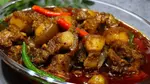
















Generated an image of an IVC dish

o6JaCr
No.414
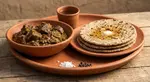
AI generated with nano banana pro, man this shit looks so good. Buffalo curry btw. The IVC diet was superior man.
o6JaCr
No.415
>>414(OP)
If any one of you can cook (I can’t do anything exept plain boiled chicken lol):
The easiest "entry-point" dish into the Indus Valley diet is the Harappan Barley & Buffalo Stew. It’s basically the 4,000-year-old ancestor of Nihari or Haleem, but much simpler to make.
The secret here is the Eggplant. Since the IVC didn't have onions or tomatoes to make a "gravy," they used mashed eggplant to create that thick, savory sauce.
The "Proto-Curry": Slow-Cooked Buffalo & Eggplant
Pre-prep: 10 mins | Cook time: 1.5 to 2 hours (less if using a pressure cooker)
Ingredients (The Authentic List)
• The Protein: 500g Buffalo meat (cut into 2-inch chunks, bone-in is better).
• The "Gravy" Base: 2 large Eggplants (Brinjals), peeled and roughly chopped.
• The Fat: 3 tbsp Mustard Oil (or Buffalo Ghee).
• The "Heat": 2 inches of Fresh Ginger (crushed/grated) and 1 tbsp Coarsely Cracked Black Pepper.
• The Color: 1 tsp Turmeric powder.
• The Salt: 1 tsp Rock Salt (Saindhava Namak).
• The Liquid: 2 cups water (or 1 cup water + 1 cup Buffalo milk for extra richness).
Step-by-Step Instructions
1. The "Sizzle" (Temper the Oil): Heat the mustard oil in a heavy-bottomed pot (or a clay Handi if you have one) until it starts to smoke slightly. This removes the raw bitterness of the oil.
2. The Aromatics:
Turn the heat down and add the crushed ginger and cracked black pepper. Let them sizzle for 30 seconds until the kitchen smells spicy and "warm."
3. Sear the Meat:
Add the buffalo chunks. Stir-fry them on high heat for 5 minutes until the outside is browned. This "locks in" the juices. Add the turmeric and salt now.
4. The "Melting" Veg:
Add the chopped eggplants on top of the meat. Don't worry if it looks like too much; eggplant is mostly water and will shrink.
5. The Slow Simmer:
Add your water (and milk if using). Cover the pot with a tight lid.
• In a pot: Simmer on low heat for about 1.5 to 2 hours.
• In a pressure cooker: 4–5 whistles until the meat is tender.
6. The Finish:
Open the lid. Use a wooden spoon to mash any remaining eggplant chunks into the liquid. It will turn into a thick, dark, creamy gravy that clings to the meat.
How to Eat It (The Authentic Way)
The Harappans didn't use forks.
• The Vessel: Serve it in a terracotta or wooden bowl.
• The Side: Pair it with Barley Flatbread (Roti) or a simple bowl of Steamed Millets.
• The Topping: Add a dollop of fresh buffalo ghee on top right before eating.
What will it taste like?
It will be creamy, smokey, and earthy. You’ll notice the "zing" from the ginger and the "glow" from the pepper, but you won't feel that sharp "chilli burn." The buffalo meat is leaner and "meatier" than beef, and the eggplant gives it a subtle sweetness that balances the mustard oil.
Would you like me to tell you how to make the Barley Flatbread to go with this, or maybe a simple Harappan dessert using dates and milk?

C/ck7z
No.417
>>415
zamn i tried all meats expect beef but i will recreate this with mutton thanks anon
phuQSZ
No.430
>>417
Did you do it? How was it?
NSp4mz
No.431
>>430
eggplant was a base was good but i roasted them then blended then used it with 2 cheery tomato , used 1 cup of cream too and used a pressure cooker and grated 1/3 OF an apple and instead of potatoes i used carrots and spring onions also it took 6 full whistles cooking the 750 gm of mutton , i ate with romali rotis would like to try harappan style dessert too


R51s+6
No.432
>>414(OP)
I believe what made their diet that much better than ours would be not using wheat. They would rely on millets, which is more complex carbs. On that they would also consume lentils, rather than loading up on simple carbs with the meat.
R51s+6
No.433
>>414(OP)
Where did you even get this recipe anon? It does seem very accurate though.
zFDak3
No.434
>>433
Gemini, I had ai generated it. I first asked Gemini to list all the ingredients that the IVC had access to and got a table. Then I asked to make a recipe using these ingredients only while being accurate to how the IVCs cooked.
>>431
Yaar most of that stuff was not accessible for the IVC.
>>432
Gemini gave a detailed explanation as to why the diet is superior to the jeet diet in every way.
RT5yd/
No.435
>>434
There is not much need for explanation. Miller do not cause sugar spike. It's not that refined carbs heavy. IVC was essentially prosperity period for many average day person. Beer, millets, meat or other stuff were options. Nowadays it's mostly rice or wheat, with close to no protein sources. People even skip on lentils entirely.
zFDak3
No.438
>>435
Not just that only. It’s also the meat, healthy oil and micronutrients. I feel Indians raised on this diet would average 6 feet. Look into the Dutch hieght increase.
o6JaCr
No.439
>>431
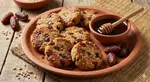
To make a dessert that is historically accurate to the Indus Valley Civilization (IVC), we must rely on archaeobotanical evidence of what was actually available: Barley, Emmer Wheat, Honey, Dates, Grapes, and Jujube (Ber).
Refined sugar did not exist yet; sweetness came entirely from honey and dried fruits. The most scientifically accurate dessert is a precursor to the Apūpa (an ancient honey cake mentioned in the Rigveda) or a fruit-based "energy" confection.
The "Harappan Honey-Date Cake"
This recipe uses the exact grains (Barley/Emmer) and sweeteners (Honey/Dates) found in Harappan hearths.
1. The Ingredients
The Flour: 1 cup Barley flour (Jau) or a mix of Barley and Emmer Wheat (Khapli).
The Sweetener: 1/2 cup Wild Honey (Raw, unpasteurized is most accurate).
The Fruit: 5-6 Dried Dates (chopped finely) or Dried Grapes (raisins).
The Fat: Ghee (Dairy fat residues are common in IVC pottery).
The Spice: A pinch of crushed Fennel seeds or Ginger powder (both found in the region).
2. The Instructions
Step 1: The Toasting (The Maillard Reaction) In a clay pot or cast-iron skillet, lightly toast the barley flour over a low fire. You aren't just heating it; you are looking for the flour to turn a pale golden brown and smell like roasted nuts. This removes the "raw" grain taste.
Step 2: The Binding Create a well in the center of the toasted flour. Add 2 tablespoons of Ghee and the honey. Mix it with your hands. Because barley is low in gluten, it won't become a "stretchy" dough; it will feel more like damp sand or a thick paste.
Step 3: Integrating the Fruit Fold in the finely chopped dates and the crushed ginger/fennel. The dates provide "pockets" of intense sweetness that mimic the modern experience of chocolate chips.
Step 4: The Cooking You have two "accurate" ways to finish this:
The Griddle Method: Shape the mixture into small, thick patties (about 2 inches wide). Fry them in a little ghee on a hot stone or skillet until the honey carmelizes and the edges become crispy.
The Boiling Method: Drop small balls of the mixture into boiling water (or milk) to create a dense, sweet dumpling, then drizzle with extra honey.
3. Texture and Taste Analysis
The Taste: It is not sugary-sweet like modern candy. It is a "deep" sweetness—think of the floral, slightly bitter notes of raw honey combined with the rich, musky sugar of a dried date.
The Texture: Expect it to be dense and crumbly. Barley doesn't have the "bounce" of modern cake. It is more like a rustic "shortbread" or a "Ladoo."
The Experience: Because it is packed with fiber (barley) and natural sugars (dates), it provides a slow release of energy. It would have been a high-status food, likely served at festivals or trade banquets.
Why this is "Accurate"
No Refined Sugar: Using honey and dates is the only way to achieve sweetness in 2500 BCE India.
The Grain Choice: We avoid "maida" or modern wheat. Barley was the dominant cereal in the earlier IVC periods.
The Fat: Lipid analysis confirms they were processing milk from cattle and buffalo, making Ghee a primary cooking fat.
Would you like to know about the "Harappan Beer" or fermented drinks they might have paired with this dessert?
alITtz
No.440
>>434
i know but i just added to bring out those flavors
alITtz
No.441
>>439
sounds good i am thiking about baking , but how i get barley flour and wild honey ? and no mention of cooking time